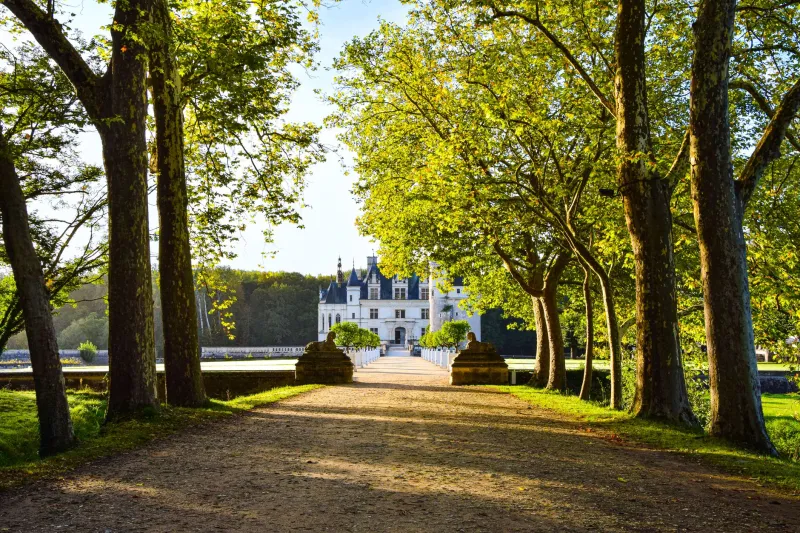
Franglais, Formal Dinners and the Owner's Dog: A British Guide to Château Etiquette
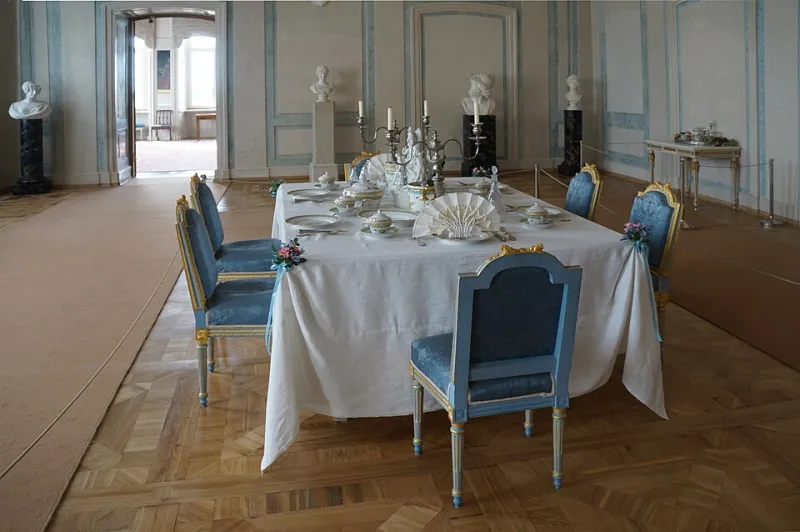
Photo: Pierre André Leclercq, CC BY-SA 4.0, via Wikimedia Commons
British guests arrive at a French château with two bags: one for clothes, one for anxiety. The anxiety is unnecessary. Château owners are not gatekeepers of an exclusive club; they are people who have chosen to live in a large, old and often temperamental house, and who would rather you enjoyed it than spent dinner worrying which fork to use. Etiquette matters, but it is mostly a matter of consideration. This guide is designed to replace the anxiety with confidence.
Arrival: bonjour, handshake and the right time
Arrive within the stated window, not before. Château owners often have a narrow afternoon for arrivals because they are also managing gardens, dinner or a leaking roof. If you are delayed, telephone. A simple bonjour, a handshake and your surname will carry you further than a long explanation. Use Monsieur or Madame until invited to do otherwise. Do not wander into the salon or up the stairs before you have been welcomed; the house may be a family home as well as a business.
Parking is usually straightforward, but ask where the car should go. If a dog appears, do not assume it is a greeting committee. It may be the actual owner.
Dinner: timings, dress and the aperitif
Dinner in a château is rarely an early affair. Seven-thirty or eight in the evening is common, and an aperitif may precede it by half an hour. Dress is smart-casual: a shirt or a simple dress, trousers rather than shorts, and no need for a jacket unless the invitation suggests otherwise. The point is not formality for its own sake but respect for a shared table.
Tell the host about dietary requirements well in advance, not at the moment the plate is set down. If wine is served, accept or decline politely; there is no shame in a small glass. Wait to be seated, and do not begin before the host. Conversation should be light and curious: the journey, the region, the garden, the history of the house. Avoid treating the table as a debate chamber. In France, cheese may arrive before dessert, and coffee after. Do not rush the sequence.
The gift question
A small gift is a graceful gesture, not an obligation. Something consumable from the UK works well: good tea, biscuits, a local preserve or a box of chocolates. Flowers are charming if they are already arranged, but a huge bouquet creates work. Wine can be tricky; the host may have a cellar and a strong opinion. A handwritten thank-you note left at departure is often more appreciated than an expensive object. The rule is modest thoughtfulness, not competitive generosity.
Breakfast in Franglais
Breakfast is where British reserve meets French bread. It is usually served between eight and ten, and it is not a fry-up. Expect coffee, tea, bread, croissants, yoghurt, fruit and perhaps cheese or ham. Learn a few phrases: bonjour, merci, s'il vous plaît, and excusez-moi. Do not apologise for your French. A cheerful attempt is always better received than silence. If you need something, ask simply and slowly. The host will meet you halfway.
Breakfast conversation is not a test. Weather, the day's route, a local market or the house's history are reliable subjects. Politics and the European question are best left at the gate unless the host raises them. If conversation falters, compliment the bread. It is almost always sincere and almost always welcome.
The owner's dog, the cat and the pecking order
In a château, the owner's dog outranks you. This is not a criticism; it is a fact of life. The dog may sleep in the hall, follow the host into the kitchen and receive a better breakfast than some guests. Ask before petting, never feed it at the table and close gates behind you. Cats may appear on beds and vanish for days. Children should be taught that animals are residents, not attractions. If you are allergic, say so before arrival; do not suffer in silence and then complain.
Grounds, pool and the quiet hours
Gardens are for walking, not for picking. Private signs should be respected; a château is a home with a public face. Pool rules are usually posted: no glass, correct swimwear, children supervised, quiet after a certain hour. Do not move furniture without asking, and do not treat the salon as a co-working space. Wi-Fi may be excellent in the library and hopeless in the tower. This is part of the charm.
What owners wish guests knew
The recurring themes in conversations with château owners are simple. Book dinner in advance if it is not included. Confirm arrival times. Tell them about allergies and mobility needs early. Do not treat the house as an anonymous hotel; say hello, ask questions and respect the family's private rooms. Pay extras promptly and leave the room in reasonable order. Tipping is not expected in the French manner, but a genuine thank-you is valued. The best guests are curious rather than deferential.
Departure and the art of the thank-you
Settle any extras before the final morning scramble. Leave the key where instructed. Thank the host by name. If you have enjoyed the stay, say so specifically: the garden, the dinner, the advice about the market. A short review is welcome; a long list of imagined improvements is not. You do not need to become French to be a good guest. You need only be considerate, attempt the language and accept that the dog was there first.