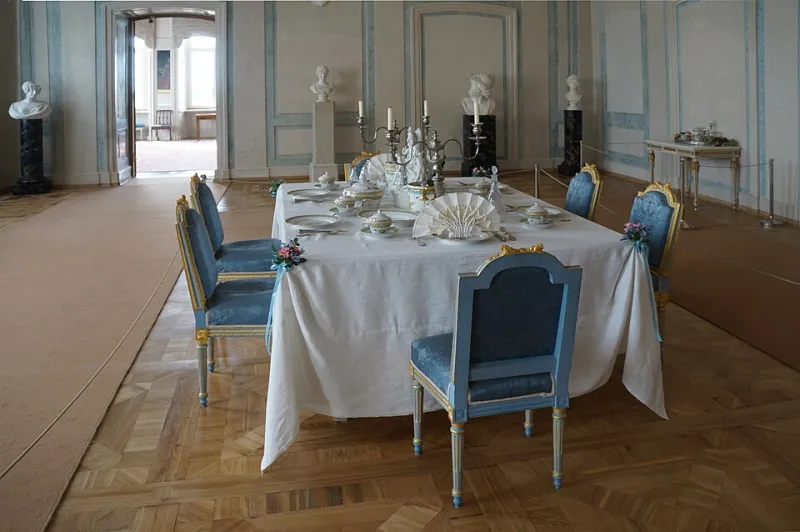
Grandeur Without the Premium: France's Best-Value Château Stays for 2026
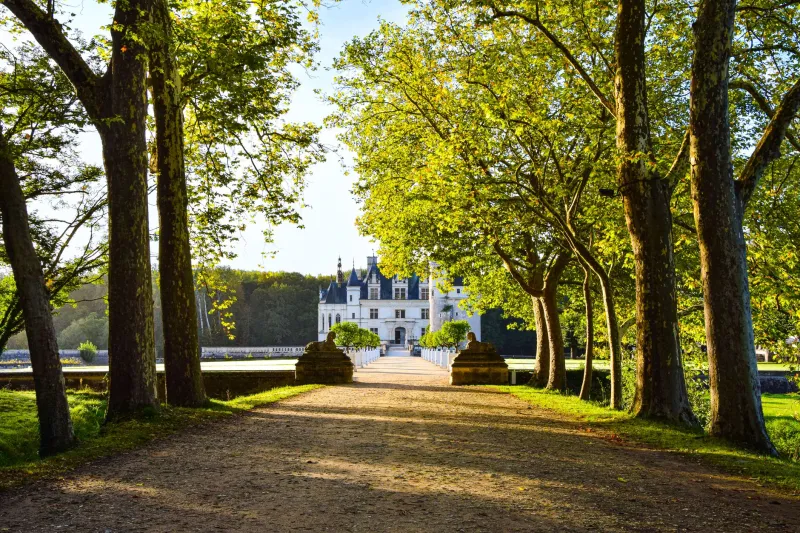
British travellers have long accepted a curious equation: grandeur abroad must carry a premium. A week in a French château, the thinking goes, belongs to anniversary trips and inheritance fantasies, while a long weekend in a Cotswolds cottage is the sensible choice. The 2026 market tells a different story. For a couple or a family willing to look beyond the obvious names, an elegant Loire or Dordogne château can cost less than a peak-season long weekend in a popular English village — and it comes with more space, more history and, often, breakfast included.
The Cotswolds benchmark
A three-night weekend in a well-known Cotswolds village during school holidays or a warm May bank holiday now commonly runs from £900 to £1,500 for a cottage sleeping four, before cleaning fees, logs and the pub. A week in peak summer can reach £1,800 to £2,800. These are not absurd figures for the English countryside, but they set a useful benchmark. Add fuel, a few meals out and the inevitable farm shop, and the total climbs quietly.
What a French château really costs
The French château sector is broader than its glossy image suggests. It runs from aristocratic family homes with a few guest rooms to château-hotels with pools and formal gardens, and from self-catering gîtes in the grounds to full-service country-house hotels. In the Loire and Dordogne, a double room in a genuine château with breakfast can be found for around £130 to £240 per night in shoulder season, and £110 to £180 in quieter months. A self-catering apartment or gîte in the grounds often costs £800 to £1,600 per week, depending on size and pool.
That is the key comparison. A week in a modest château gîte for four, at £1,200, is cheaper than a peak Cotswolds cottage week and far cheaper than a long weekend in a fashionable village at half-term. A couple spending four nights in a château at £170 per night pays £680, with breakfast, before travel. The grandeur is not a trick; it is a function of geography, seasonality and the economics of old family houses.
Included, excluded and the small print
Value depends on what sits inside the rate. Breakfast is often included in château bed-and-breakfast rooms, and may be a proper affair of bread, pastries, yoghurt, fruit, coffee and conversation. Grounds, gardens, pools and parking are usually part of the stay. Wine is not usually included unless stated, and dinner is rarely included outside specialist packages. Some châteaux offer table d'hôte dinners several times a week; others provide a list of local restaurants and expect guests to book.
Hidden extras deserve scrutiny. Taxe de séjour, the local tourist tax, is commonly charged per person per night. Self-catering properties may add cleaning fees, linen hire, pool heating, heating in cooler months and a security deposit. Some require a minimum stay in high season. Ask for a written confirmation that lists every supplement, and check whether breakfast is included for all guests or only some room categories. The French term petit-déjeuner inclus is your friend. A château that looks £40 cheaper per night can lose its advantage once breakfast, cleaning and tax are added.
Ferry versus flight: the UK travel arithmetic
For British guests, the journey is part of the calculation. A couple flying to Paris or Nantes from a UK airport might pay £70 to £150 return per person with a low-cost carrier, plus baggage, airport parking or a train to the airport, and car hire at £250 to £450 per week. For a family of four, the total can easily reach £700 to £1,000 before a single night is booked.
The ferry often changes the equation. A return crossing from Portsmouth to Caen or Newhaven to Dieppe for a car and four passengers can cost £180 to £350, depending on season and operator. Fuel from the port to the Loire might add £100 to £160, with tolls of £40 to £80. The total for a family is frequently £400 to £650, and the car arrives full of luggage, wine and children's bicycles. For the Dordogne, add fuel, tolls and perhaps an overnight stop; the driving time from Calais is roughly seven to eight hours, while western ferry routes shorten the Loire leg considerably.
The conclusion is not that one method always wins. A couple on a three-night break may find a flight quicker and cheaper. A family with a week's luggage, a taste for flexibility and a desire to stop at markets will usually find the ferry compelling. The château stay and the crossing should be priced together, not separately.
Five properties that deliver grandeur without the grand bill
The following are representative 2026 examples, chosen for atmosphere rather than ostentation. Rates are indicative, per room per night in low or shoulder season, and should always be confirmed directly.
- Château de la Bourdaisière, Loire. A Renaissance house near Tours with a celebrated kitchen garden, generous grounds and a pool. Doubles from around £150 to £220 with breakfast; a strong base for Azay-le-Rideau and Villandry.
- Château de Chissay, Loire. A fortified and Renaissance ensemble with a pool and family-friendly rooms. Doubles from around £130 to £200. Good value for a mixed-age group.
- Château de la Rozelle, Loire. A quieter, smaller-scale option near Blois, with period rooms and a park. Doubles from around £110 to £170; useful for Chambord and Cheverny.
- Château de Saint-Loup-sur-Thouet, Deux-Sèvres. A historic house with a formal park and a sense of old France rather than hotel polish. Doubles from around £120 to £190.
- Château de Monrecour, Dordogne. A Périgord base with gardens, a pool and easy access to Sarlat and the Vézère valley. Doubles from around £140 to £220.
None of these is a bargain in the sense of a budget chain. They are bargains in the sense that matters: a week of old stone, quiet gardens and French breakfasts for less than a fashionable English long weekend. Book directly where possible, ask about midweek rates and travel just outside the school holidays. Grandeur, it turns out, is not always expensive. It is simply French.