The Civilised Check-In: Five French Châteaux Where Lunch Comes Before the Room Key
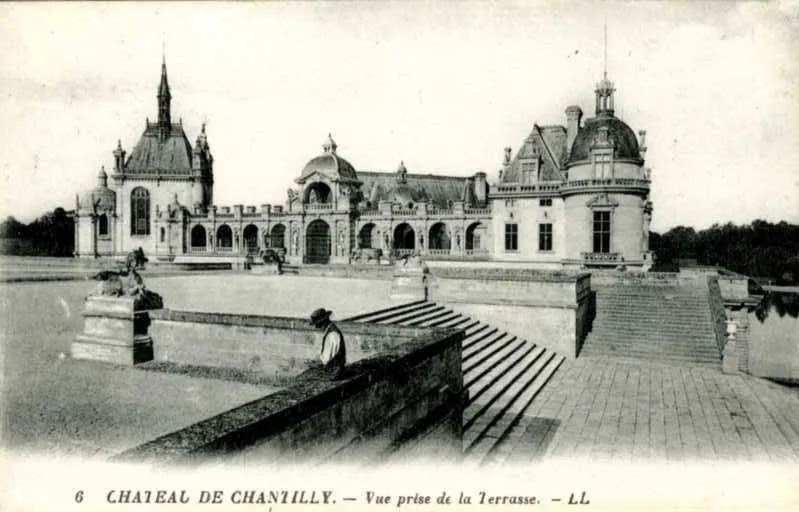
Photo: Unknown authorUnknown author, Public domain, via Wikimedia Commons
For British travellers, a French château break can begin with an anticlimax. The ferry docks early, the Eurotunnel crossing is swift, or the train from Paris arrives before midday, yet the room is not ready until late afternoon. The gate is closed, the car is full, and the first meal of the holiday is often a service-station sandwich. The arrival lunch is therefore a practical test of hospitality, and a more revealing one than the tea tray or the thread count.
The gap between arrival and check-in
Most château hotels work to a four o'clock check-in, and few British travellers can time a crossing to match it. Those coming from Portsmouth or Newhaven may have been travelling since dawn; those using the Eurotunnel may have left Kent before breakfast. The result is a familiar interval of two or three hours in which luggage cannot be unpacked and the day feels suspended.
A good château does not pretend that this interval does not exist. It offers a table. Not a reduced version of dinner, and certainly not a tasting menu, but a lunch that acknowledges the traveller has been on the move. The distinction matters. An arrival lunch should be easy to arrange, seasonal, generous and unhurried. It should allow bags to be stored, children to be fed, and the first proper conversation of the holiday to take place.
What separates a helpful lunch from a performance
The finest arrival lunches are rarely the most elaborate. Cold meats, a terrine, tomatoes, cheese, bread, fruit and a glass of something local will do more for a tired traveller than a three-hour production. The useful details are practical: a confirmed time, a clear price, advance notice of dietary requirements, and a table that is genuinely available rather than grudgingly set up in a corridor.
British travellers should ask specifically at the time of booking. A château may have a restaurant that opens only for dinner, or a kitchen that can provide a cold collation with sufficient warning. The question is not whether lunch is advertised, but whether the property has considered the arrival hour. The five stays below pass that test in different ways.
Five châteaux that begin at the table
Château de la Treyne, Lot
Set above the Dordogne, Château de la Treyne is the sort of French country house that British travellers imagine before they book. It is also a practical choice for those arriving from Bergerac or Brive, with a terrace that makes an early lunch feel like part of the journey rather than a delay. A light lunch can be arranged in advance, and the kitchen is sensible about keeping it simple. The pleasure is the setting and the sense that one has arrived in the Lot, not merely in a car park.
Château des Briottières, Loire
For travellers coming off the ferry at St Malo or Caen, the Loire is a natural first staging post, and Château des Briottières has the easy, lived-in quality that suits an arrival day. This is a family house rather than a grand hotel, and the welcome is correspondingly direct. A cold lunch in the dining room or on the terrace can be organised when booking, which makes it a useful choice for families who need to eat before the children tire. The château does not make a performance of arrival; it simply makes room for it.
Château de Courcelles, Picardy
For British travellers using the Eurotunnel, the first useful stop is often in Picardy, and Château de Courcelles is well placed for those who want to break the drive before continuing south. The hotel has a restaurant, but the important point for arrivals is that lunch can be discussed in advance rather than left to chance. After an early crossing, a table in this part of northern France is a civilised way to begin, and it avoids the temptation to press on too far on the first day.
Château de la Bourdaisière, Loire
Château de la Bourdaisière is a sensible option for travellers arriving by train, with Tours within easy reach from Paris. The house is known for its gardens and its seasonal approach to the table, which suits a lunch that is light rather than formal. For British guests arriving around midday, the advantage is not simply the food but the rhythm: bags can be left, the garden can be walked, and the room can be taken when it is ready. It is a useful reminder that an arrival lunch need not be grand to be effective.
Château de Gilly, Burgundy
Burgundy rewards the traveller who arrives by rail, and Château de Gilly is a practical base for those using the TGV to Dijon. The château has a restaurant, and a lunch on the day of arrival can be arranged with notice. For British travellers who have crossed under the Channel and continued by train, this is a particularly welcome arrangement: the journey is long enough that the first meal matters, and the setting is substantial enough to make the transition from transport to holiday feel complete.
The test of a considered welcome
The arrival lunch is not a sign of luxury. It is a sign that the château has thought about the traveller's day. A property that can serve a simple lunch at two o'clock, store a suitcase without fuss, and answer a dietary question in advance is likely to be well run in other respects too. A property that cannot will often reveal itself later in smaller ways.
For British travellers planning a château stay, the advice is straightforward. Ask at the time of booking whether lunch is possible on the day of arrival, give an honest arrival time, and confirm the price. Do not expect a full restaurant service at an awkward hour. Do expect a table, a welcome, and the sense that the holiday has begun before the room key is handed over. That is the civilised check-in, and it is worth seeking out.