Market Baskets and Range Cookers: Five Châteaux That Cook With Their Guests
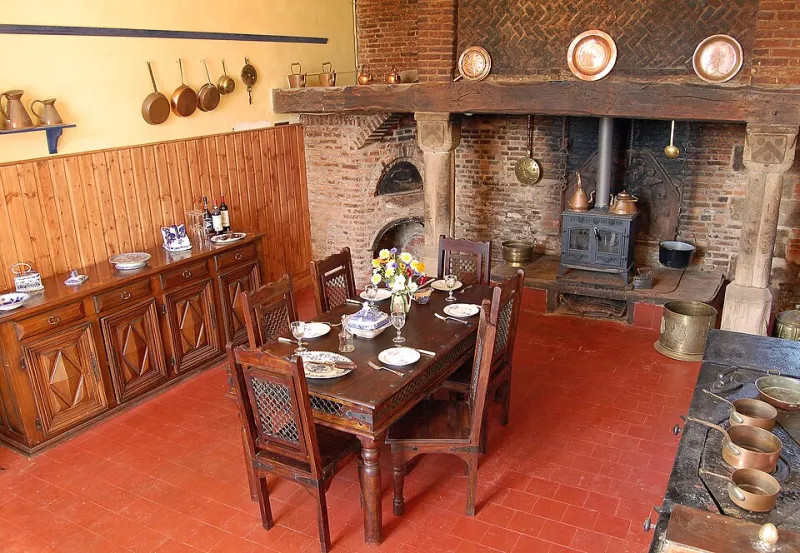
Photo: Chatsom, CC BY-SA 4.0, via Wikimedia Commons
For many British travellers, the appeal of a French château has long rested on what happens after the gates close: the quiet, the formal gardens, the sense of a house that has absorbed centuries of family life. Yet a quiet revolution has taken place in some of these kitchens. Rather than guarding the range cooker as a relic, a number of owners now invite guests to roll up their sleeves, walk to the market and cook alongside them. The result is a stay that feels less like a hotel booking and more like a house party with a purpose.
What a cooking stay actually involves
It is worth managing expectations. A culinary château break is rarely a professional cookery course. The better examples are closer to an extended conversation in a working kitchen: a morning at the market, an hour or two of preparation, and a long lunch that drifts into the afternoon. Groups are usually small, often between four and ten guests, and the emphasis falls on regional produce rather than technique for its own sake. Menus tend to follow the season, which means autumn stays promise game, mushrooms and orchard fruit, while spring brings asparagus, wild garlic and the first soft cheeses.
For British travellers, the format has particular advantages. It removes the pressure of choosing a restaurant every evening, it suits mixed-generation groups and it offers a genuine point of contact with the region. It also works well for those who prefer a slower pace: a morning in the kitchen, an afternoon by the pool or on a bicycle, and an early dinner of whatever was made that day.
Five châteaux where the kitchen is the heart of the house
Château de la Verrerie, Loire Valley
The Loire is not short of grand houses, but La Verrerie has made its kitchen the centre of the stay. The owner leads a Saturday market visit to a nearby town, returning with baskets of goat's cheese, seasonal vegetables and the occasional surprise from the fishmonger. Back at the château, guests work at a long oak table in a converted orangery, preparing a lunch that is served, weather permitting, beneath the cedars. The house keeps a modest number of rooms, which means the cooking sessions rarely feel crowded. It is a good choice for a first culinary château stay, particularly for travellers arriving by train from Paris.
Château de Saint-Félix, Dordogne
The Dordogne has long been a favourite with British visitors, and Saint-Félix understands why. Its cooking programme leans heavily on the Périgord larder: walnuts, truffles in season, duck and the dark, rich sauces that define the region. Guests are invited to help prepare a traditional family meal, usually on the first evening, which serves as an introduction to the house and its routines. The kitchen itself is unpretentious, with a well-used range and a dresser crowded with local pottery. Those travelling with older children will find the pace forgiving, and the owners are practised at adapting menus for younger palates.
Château de Montauban, Provence
Provence suits cooks who like their ingredients to do most of the work. At Montauban, the emphasis falls on olive oil, tomatoes, herbs and the produce of the local market, with sessions often beginning with a short drive to a village square. The château's kitchen opens onto a shaded terrace, and much of the preparation takes place outdoors when the weather allows. The house is particularly well suited to couples or small groups of friends, and the owners are generous with recommendations for nearby vineyards and swimming spots. It is worth noting that Provençal summers can be fierce; spring and early autumn are the more comfortable months for time spent at the stove.
Château de la Roche, Burgundy
Burgundy rewards travellers who take wine seriously, and La Roche has built its cooking offer around the cellar rather than the garden. Guests are invited to prepare a meal designed to accompany the house's own wines, with the owner guiding the pairing as much as the preparation. The kitchen is grander than most, with high ceilings and a table that seats fourteen, but the atmosphere remains informal. Sessions tend to focus on classic burgundian dishes: oeufs en meurette, coq au vin and the region's persistent affection for parsley and garlic. It is a natural choice for travellers combining a château stay with a few days exploring the vineyards of the Côte d'Or.
Château de Hohenfels, Alsace
Alsace occupies a peculiar place in French cooking, and Hohenfels makes the most of it. The kitchen here draws on both French and German traditions, with sessions covering choucroute, gingerbread and the region's distinctive white wines. The house is smaller and more intimate than some on this list, and the owners prefer to cook with guests rather than for them, often over two or three evenings across a week-long stay. British travellers arriving by car via the Channel Tunnel will find the drive manageable, and the region's Christmas markets make a winter visit particularly appealing.
Practicalities for 2026
Booking a culinary château stay requires a little more forward planning than a standard hotel reservation. Many houses run cooking sessions only on specific days, and some close the kitchen entirely during the quietest weeks of January and February. It is sensible to confirm whether the experience is included in the room rate or charged as an extra, and to ask about group sizes and dietary requirements well in advance. Vegetarian and gluten-free requests are usually accommodated, but not always without notice.
Travellers should also consider the seasons. Late spring and early autumn remain the most comfortable periods for time spent in a hot kitchen, while winter stays often centre on preserves, baking and the kind of long, slow cooking that suits a cold afternoon. For 2026, several houses have introduced shorter, half-day sessions aimed at guests who prefer to spend more time exploring the region, which may suit repeat visitors or those combining a château stay with other plans.
Above all, the appeal of these stays lies in their ordinariness. The pleasure is not in mastering a technique but in chopping vegetables at a scrubbed table, learning how a local market works and sitting down to eat what was made that morning. For British travellers seeking a slower, more rooted kind of holiday, that is a persuasive proposition.