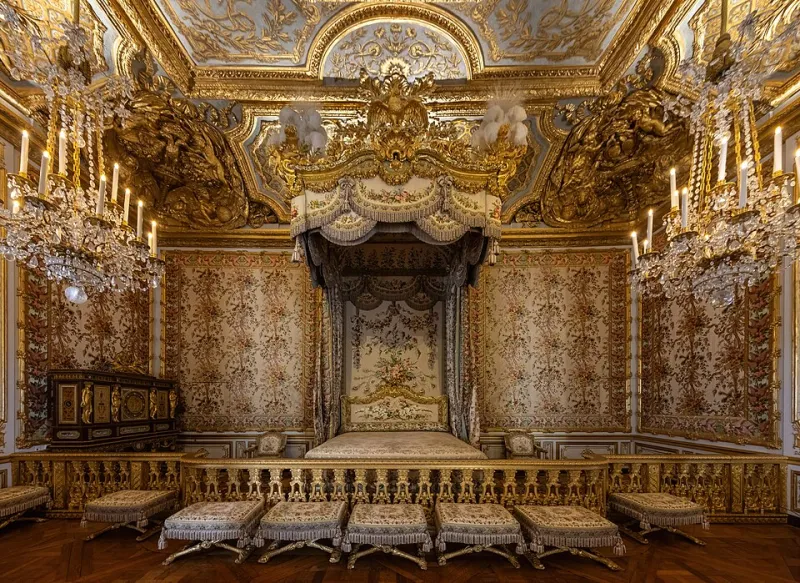
After the Ramp: Five Château Stays That Begin at a UK Ferry Port
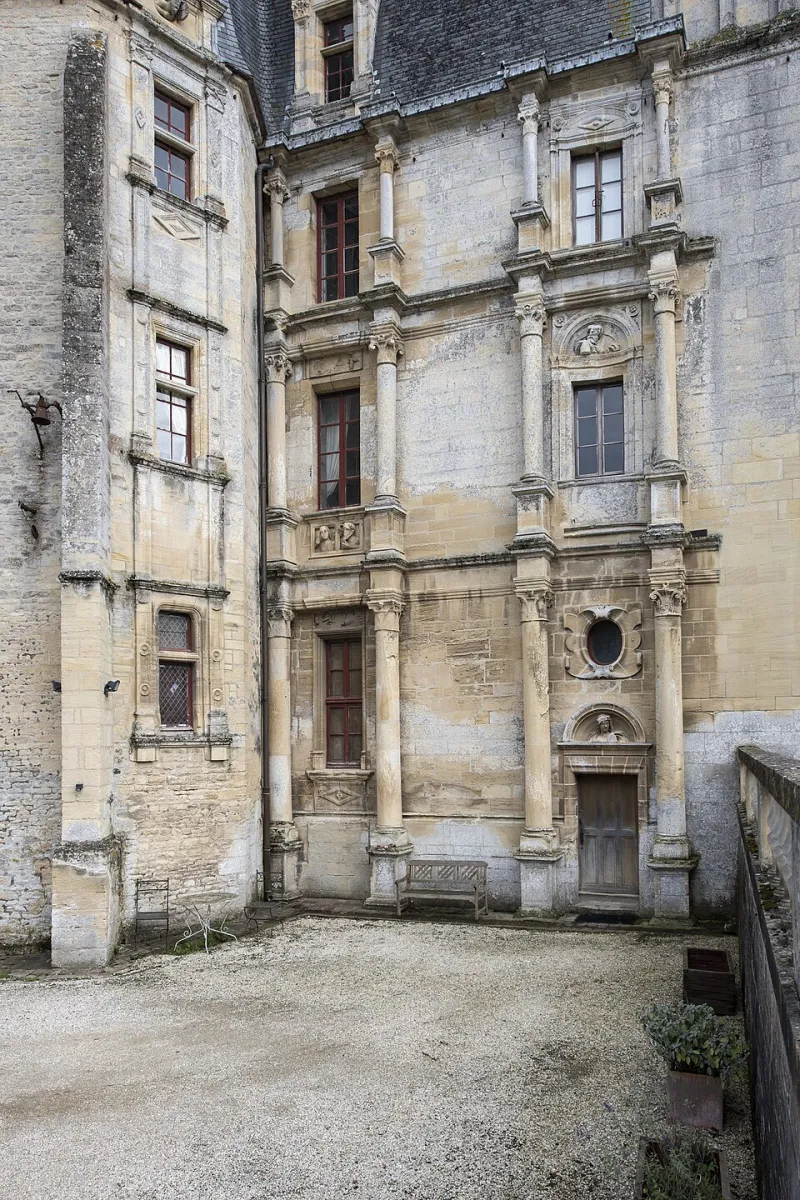
Photo: Selbymay, CC BY-SA 4.0, via Wikimedia Commons
For many British travellers, the question is not whether to take the car to France but where the car should stop. A ferry-first château break answers that question before departure: the crossing sets the pace, the port sets the radius, and the house does the rest. The approach suits anyone who would rather unpack once than negotiate airport transfers, and it is especially rewarding for short breaks in Normandy and the Pas-de-Calais, where the drive from the ramp is measured in minutes rather than hours.
The Crossing as Part of the Holiday
The shortest option remains Dover to Calais, with a crossing of around ninety minutes and a choice of operators. It is the route for travellers who want to leave after breakfast and reach a French dining table by evening. Newhaven to Dieppe is a useful alternative for Sussex and Kent, adding a little sea time but avoiding the busiest Calais traffic. For western France, the longer crossings to Caen and St-Malo are less a transport cost than an extra night away: an overnight sailing from Portsmouth or Poole delivers the car to Normandy or Brittany in the morning, with the day still ahead.
That difference matters when choosing a house. A Calais arrival favours a two- or three-night break in the Pas-de-Calais or eastern Normandy. A Caen arrival opens up the Calvados coast and the Bessin without a long first drive. St-Malo is the natural gateway to Brittany, but it is also the route that rewards a week rather than a weekend, because the best houses lie beyond the first hour.
Late Arrivals, Breakfast and the First Morning
French châteaux are not hotels, and their rhythms are part of their charm. Many set a fixed arrival window, often in the late afternoon, and serve dinner at a communal hour. A delayed ferry can therefore matter more than it would at a chain hotel. It is worth confirming in advance how late keys can be handed over, whether a cold plate can be left in the room, and whether the gate is locked after a certain time.
Breakfast is the other practical test. Some houses serve at eight, others at nine, and a few expect guests to help themselves from a sideboard. Travellers arriving on an overnight sailing should ask whether they can be fed on arrival or whether they should plan for a harbour café instead. The pleasure of a ferry-first break depends on these small arrangements being settled before the car is packed.
Five Houses Within Reach
Château de la Rive, Normandy. Around half an hour from Ouistreham and the Caen ferry, this restored house sits behind a walled garden and takes its breakfast seriously. It suits a three-night stay, with the D-Day beaches and Bayeux within easy reach. Late arrivals are accepted by arrangement, provided the kitchen knows in advance.
Manoir du Cap, Pas-de-Calais. Forty minutes from Calais, this smaller house is the model of a short-break château: gravel forecourt, a handful of rooms and a host who understands that British guests may arrive later than expected. Two nights here can include the coast, a market and a long lunch without any sense of rushing.
Château de Kerlann, Brittany. About an hour and three-quarters from St-Malo, Kerlann is the sort of house that makes unpacking once feel like a virtue. It has room for families, a garden that absorbs children and a breakfast table that runs late enough for a slow start. This is a week-long house rather than a stopover.
Château des Prés, Normandy. Two hours from Caen, in the quieter bocage, this house offers the contrast many travellers want after the ferry: no town noise, no passing traffic, and dinner served at a civilised hour. The drive is straightforward, but the last few kilometres are narrow, so arrival before dark is advisable.
Château de la Falaise, Brittany. A little over two hours from St-Malo, this coastal house is best treated as a destination in its own right. The sea is close, the breakfast is generous and the surrounding roads reward aimless afternoons. It makes a sensible base for a week, particularly for travellers who prefer one long crossing and one long stay to a series of shorter moves.
Short Break or Full Week
The rule is simple enough. Use Calais for a two- or three-night break, when the point is to be in France quickly and to spend the weekend walking, eating and sleeping rather than driving. Use Caen for four or five nights if Normandy is the objective, and St-Malo for a week if Brittany is the reward. The longer crossings cost more time but less fatigue, and they turn the ferry into a cabin, a meal and a night's sleep rather than an early start.
Practical Notes for 2026
Book crossings with the car in mind, not merely the passenger. Check whether the house has secure parking, whether electric charging is available and whether a dog can travel on the route you have chosen. Pack a small overnight bag for the cabin, keep a torch and a paper copy of the arrival instructions in the glovebox, and confirm breakfast timing before boarding. The aim is not to plan every hour, but to ensure that the first morning in France begins with coffee rather than a telephone call.