Chestnuts, Candlelight and a Very Long Dinner: Six Château Stays That Suit a December Visit
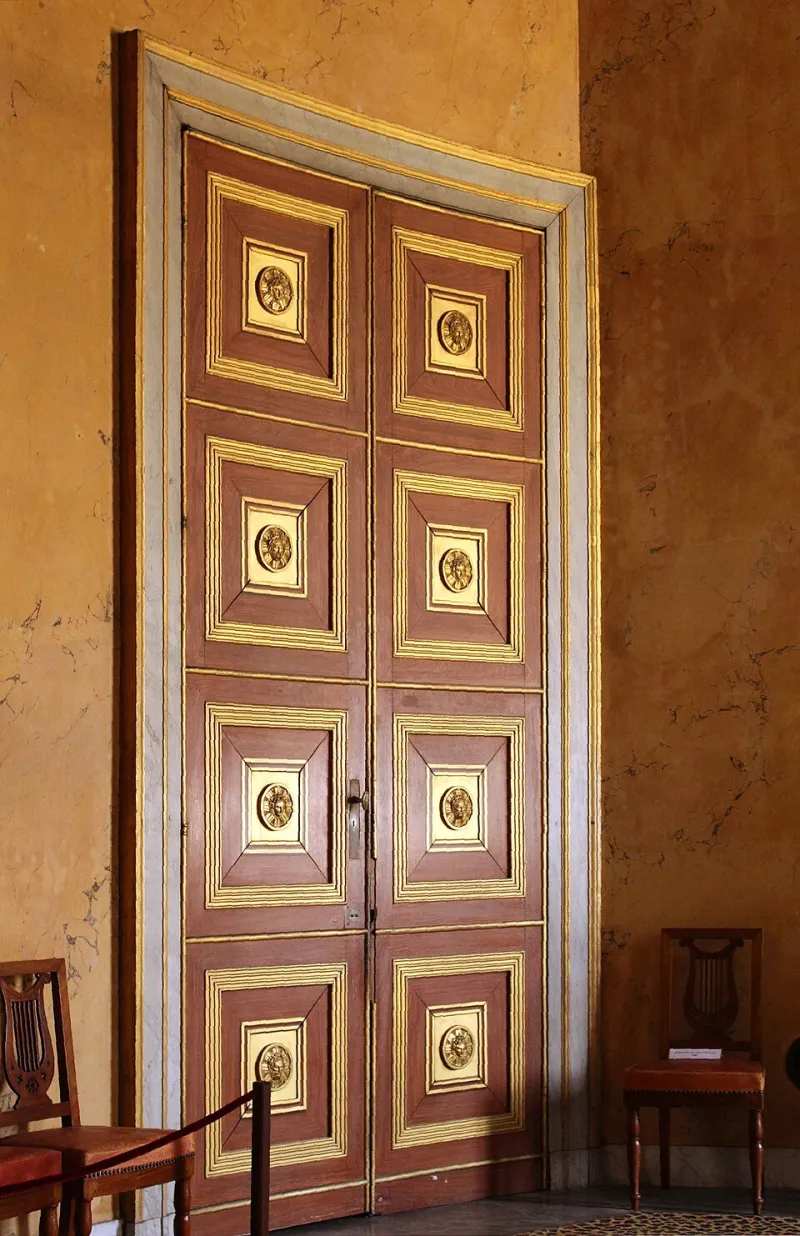
Photo: Dguendel, CC BY 4.0, via Wikimedia Commons
As the year turns, the French château sheds its summer self. The terrace furniture is stacked and covered, the pool is a green rectangle under a tarpaulin, and the argument for being there moves decisively indoors: a fire lit at four in the afternoon, a staircase that complains underfoot, a dining room where the table is laid for twelve and the candles are wax rather than bulb. British travellers who have only seen these houses in July often assume the shutters come down in October. A handful stay open precisely for this, and for the right party a December visit is the better one.
What a château Christmas actually involves
Set aside the tinsel. The French country-house Christmas is a domestic, restrained affair, and its pleasures are the ones a hotel cannot manufacture. Greenery from the park rather than foil, a bûche from the village pâtisserie rather than a showpiece, an aperitif by the fire at seven and a dinner that runs past eleven because nobody is in a hurry to move.
In practice, most small châteaux shut between roughly 20 December and early January, because the family that owns them wants its own Christmas. Those that remain open tend to do so on a fixed formula: a three- or four-night stay with dinner included, a set menu on the 24th or 25th, and a house party atmosphere that suits guests who are happy to eat at the same table as strangers. Larger houses operating as hotels run a fuller programme, but the tone is still low-key. If you want a resort Christmas with entertainment laid on, this is not it.
Where the season genuinely delivers is in the surrounding countryside. Village markets are small and serious, oysters and capon appear on menus, and the roads are empty in a way they never are in August.
Couples and small parties: the case for a short stay
For two people, the ideal is a modest château with perhaps eight or ten rooms, a short December opening, and a village within walking distance. Three nights over the 24th gives you the ceremony of the dinner without the risk of a week spent rattling around a house designed for thirty. Ask two questions before booking: whether dinner is served every night of your stay, and whether the nearest restaurant is open on the 25th. In rural France, quite often, it is not.
Three generations: when to take the whole house
A multi-generational party changes the arithmetic. Once you are eight or more, a whole-house rental usually beats booking four separate rooms: you get the kitchen, the flexibility to feed small children at six, and no neighbours to worry about when the cousins are still up at midnight. The trade-off is that you also get the cooking, or the cost of a private chef. Expect a minimum stay of four or five nights over the festive week, a deposit of a third or more on booking, and a damage waiver. It is worth appointing one person to handle the correspondence, ideally the one who is not also hosting on the day.
Six addresses worth considering for December 2026
Festive programmes change from year to year, so treat the following as a shortlist to research rather than a guarantee. Confirm dates, menus and minimum stays directly, and do so soon: the houses that open at Christmas take bookings a long way ahead.
- Château de la Treyne, on the Dordogne in the Lot. A riverside house with a genuine sense of family history, well suited to couples who want one formal dinner and a great deal of silence. The surrounding causses and cliff-top villages are superb walking country even in cold weather.
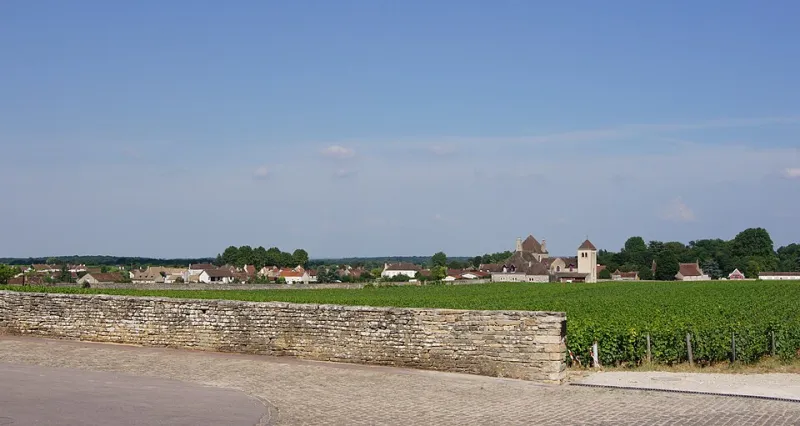
- Château de Chailly-sur-Armançon, Burgundy. A moated house with enough rooms and public space to absorb a largish group without feeling crowded. Its position south of Dijon makes it a practical base for Beaune and the wine villages.
- Château de l'Île, at Ostwald near Strasbourg. The obvious choice for anyone who wants the Alsace markets without a long drive afterwards; the trade-off is that Strasbourg in December is busy, so book restaurants and parking early.
- Château de Canisy, Normandy. A lived-in family house rather than a hotel, which is exactly the appeal: worn floors, portraits, a real kitchen. Suits parties who want a house to themselves rather than service.
- Château de la Bourdaisière, near Tours. Accessible, run with a light touch, and a sensible first taste of the château experience for a family with younger children.
- Château de Codignat, in the Auvergne. For those who want the volcanic uplands and genuinely empty roads, with a fire to come home to. The remoteness is the point, and also the caveat.
Booking sensibly for the 2026 season
December rates at many châteaux sit below July and August, but the festive week itself is priced as peak, and the widespread minimum-stay requirements mean the saving is smaller than the headline figure suggests. Compare the total cost of four nights including dinners against a summer week of room-only nights and you will usually find the gap narrower than expected.
Pay attention to what is included. Half-board arrangements vary from a four-course dinner to something much simpler. Check cancellation terms carefully, take out insurance that covers illness rather than only travel disruption, and confirm whether a cot, high chair or interconnecting room is genuinely available rather than merely possible.
Practical points British travellers tend to forget
Book Eurotunnel and ferry crossings early; the days around the 20th and the 27th are the busiest of the winter. In parts of the Auvergne and the Massif Central, winter tyres are sensible and occasionally required, so check your hire car carefully. Many rural restaurants close for the whole festive fortnight, and taxis are scarce after dark. Finally, remember that the 26th is an ordinary working day in France: shops open, life resumes, and the great British Boxing Day walk is entirely your own invention.