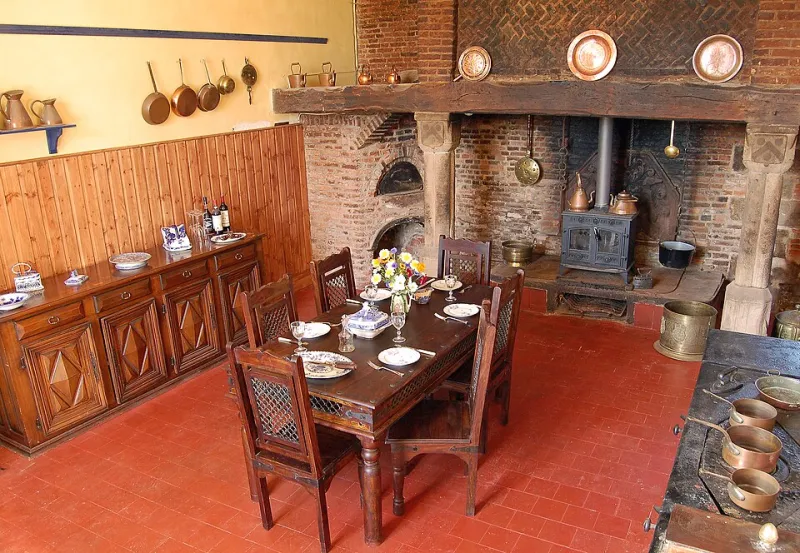
Turning Left at the Loire: Five French Regions Where Château Stays Reward the Extra Drive
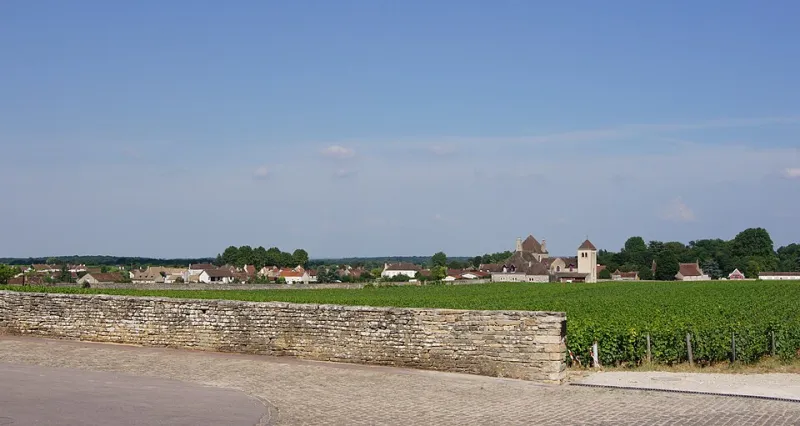
Photo: Jebulon, Public domain, via Wikimedia Commons
Ask a British traveller to picture a château holiday and the chances are they are picturing the Loire: the creamy tuffeau stone, the formal gardens, the river sliding past at the end of the park. It is a deservedly popular region, and for a first château stay it remains hard to fault. But popularity has a cost, and the Loire in high season can feel like a queue with vineyards attached.
Meanwhile, five other regions offer châteaux of equal character at noticeably quieter tables. What follows is not a ranking of beauty but an assessment of fit: what each region is actually like, who it suits, how long it takes to reach from Britain, and whether the drive is worth it.
Why the Loire dominates, and why that matters
The Loire wins on three counts: proximity to the Channel ports, a density of visitable houses unmatched anywhere in France, and a tourism infrastructure that has been refined over decades. It also has the widest choice of château accommodation, from grand to modest, which makes it the low-risk option.
The consequence is that it absorbs most of the demand. Outside July and August, and particularly in the shoulder months, the alternatives below offer a more characterful stay for the same money. The extra hours in the car buy you emptiness, and emptiness is the rarest commodity in French château travel.
Périgord: the classic alternative
Character. Golden stone, walnut groves, fortified villages on ridges and the dark woodland of the Périgord Noir. This is château country in the plural: manor houses, towers and Renaissance façades scattered through farmland rather than lined up for inspection.
Suits. Families and mixed groups who want a house with a pool and a market town within ten minutes. Also the serious eater.
Getting there. Eurostar to Paris, then a TGV to Bordeaux of just over two hours, then an hour and three-quarters by car. Driving from Calais takes the best part of nine hours with stops, which is a long day; breaking the journey near Tours or Poitiers is the civilised solution. Winter flights to Bergerac are thin, so plan around the railway.
On the table. Duck in every form, walnuts, ceps in autumn and truffles in winter; Bergerac and Monbazillac for the glass. The markets at Sarlat and Issigeac are the reason many people return.
Verdict. Worth the drive, but do it in two stages. The density of interesting houses and the quality of the food make it the strongest all-round substitute for the Loire.
Burgundy: for the wine-led stay
Character. Tiled roofs in ochre and green, vineyards laid out like a navy-blue quilt, and a landscape that is agricultural rather than picturesque. The châteaux here are often smaller and more workmanlike than the Loire's showpieces, which is part of the appeal.
Suits. Couples, and small groups built around a shared interest in wine rather than around children.
Getting there. The easiest of the five by rail: Paris to Dijon in about an hour and forty minutes, with Beaune a short hop beyond. From Calais, roughly five hours by car.
On the table. Gougères, œufs en meurette, boeuf bourguignon, Époisses at its pungent best, and the wines you already know at prices that will surprise you at source.
Verdict. The best choice for a short break. If you have three nights and want to feel you have travelled properly, Burgundy delivers more per hour of journey than anywhere else on this list.
Alsace: the festive special case
Character. Half-timbered villages, steep vineyards, castles on the skyline and a Germanic inflection in the cooking and the architecture. It is the least French of the five and the most immediately charming.
Suits. Couples and friends in December, when the markets at Strasbourg, Colmar, Eguisheim and Kaysersberg run; walkers and cyclists in spring and autumn.
Getting there. Paris to Strasbourg in under two hours by TGV; around six and a half hours from Calais by car.
On the table. Choucroute, baeckeoffe, kougelhopf and the bredele biscuits of the season, with Riesling, Gewurztraminer and Pinot Gris from the Route des Vins.
Verdict. Superb, but not restful in December. Market season is genuinely crowded and hotels fill a year ahead. Visit in late November or in the first week of January instead if you want the scenery without the crush.
The Auvergne: the empty quarter
Character. Volcanoes, cattle on high pasture, dark stone villages and a great deal of nothing. The châteaux are sterner and more fortress-like than the Loire's, and the landscape does most of the talking.
Suits. Walkers, multi-generational parties renting a whole house, and anyone who finds the idea of a busy village square stressful.
Getting there. Paris to Clermont-Ferrand takes around three and a quarter hours by train; the drive from Calais is closer to seven, and the last stretch is slow.
On the table. Aligot, truffade, Cantal and Salers, Saint-Nectaire, good charcuterie and the modest, improving wines of the Côtes d'Auvergne.
Verdict. Worth it only if you are staying a week or more. This is not a region for a long weekend, but for slow living it is unmatched, and the value is the best of the five.
Normandy: the long-weekend answer
Character. Timber-framed manor houses, apple orchards, half-timbered market towns and a coast within easy reach. The châteaux tend to be domestic rather than monumental, and many remain family homes.
Suits. First-time château visitors, families with young children, and anyone who wants a short break without a long journey.
Getting there. The closest of the five: around three hours from the Eurotunnel terminal to the Pays d'Auge, or a crossing to Ouistreham and a short drive. It is perfectly feasible for a three-night stay.
On the table. Camembert, livarot and pont-l'évêque, cider and calvados, butter and cream from Isigny, oysters from the coast and andouille from Vire.
Verdict. The sensible starting point. Less dramatic than Périgord and less charming than Alsace, but the effort-to-reward ratio is the best on this list.
Choosing between them
For a first château stay, or a short break, choose Normandy or Burgundy. For a fortnight with the family, choose Périgord, with the Auvergne as the quieter, cheaper alternative. For a December journey with a purpose, choose Alsace and accept the crowds. Whichever you pick, book direct where you can, confirm the practicalities in writing, and allow an extra night rather than an extra excursion: these regions reward staying still.