No Reception Desk, No Lavender Bags: The French Châteaux That Still Feel Lived In
Photo: Phidev74, CC BY-SA 4.0, via Wikimedia Commons
There is a moment, on the second morning of a certain kind of French château stay, when you realise there is no reception desk. Not a hidden one, not a discreet console in the hall, but none at all. The owner is in the kitchen. The dog is under the table. The keys are on a hook. This is not a failure of hospitality; it is a different idea of it.
For British travellers in 2026, the French château market has never been more polished. There are houses with branded robes, pillow menus and a shop selling lavender bags by the till. They are comfortable, reliable and entirely without surprise. This article is for the other sort of house: the family-owned château that still feels lived in, where the owner's clutter, cooking and conversation are the point.
The hotel that pretends to be a home
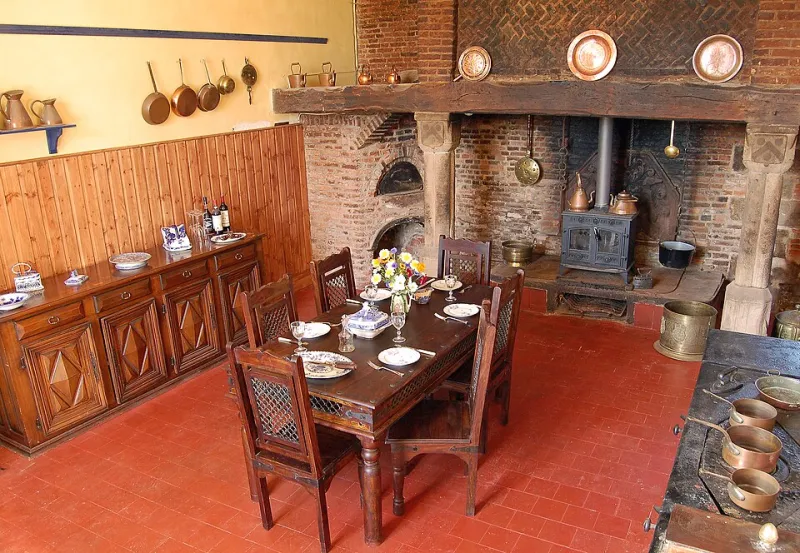
A hotel can imitate a home with remarkable skill. It can hang a copper pan on the wall, stack old books in the salon and call the bar 'the library'. But imitation has a tell: the absence of inconvenience. In a real house, the owner's papers are on the desk. The good glasses are in the wrong cupboard. Dinner is at eight because that is when dinner is.
The châteaux that refuse to become hotels are not necessarily grander or more beautiful. They are simply less managed. You may wait for an email reply. You may find that the card machine is broken. You may be asked to move your car because the hay delivery is coming. In return, you get a house with a pulse.
What disappears when the gift shop arrives
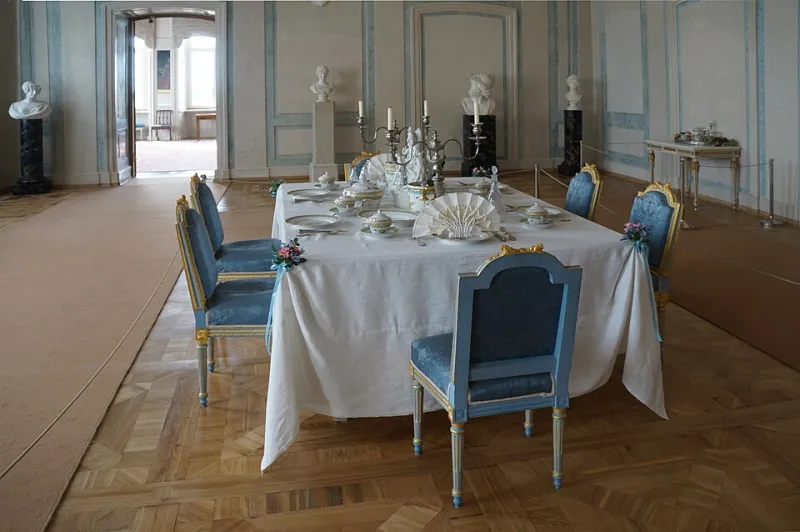
The gift shop is not the problem in itself. The problem is what it represents: the moment a house begins to think of its own history as a product. Once there is a branded robe, there is usually a branded breakfast, a branded check-out time and a branded version of the owner's personality. The lavender bag is not the enemy. The enemy is the assumption that every guest wants a souvenir of something that was never for sale.
British guests often say they want authenticity, but what they sometimes mean is authenticity with a reliable Wi-Fi signal and a firm mattress. That is fair enough. The houses in this guide are not museums. They have modern plumbing and proper coffee. But they have not solved every problem in advance, and that is part of the charm.
Five houses where the owner is the amenity
Château de la Barre, Loire Valley
This is a family house first and a place to stay second. The rooms are furnished with things that have been there for generations, and dinner is a conversation rather than a service. You may lose the anonymity of a hotel; you gain a host who can tell you which market is worth the drive. The house does not pretend to be a hotel, and that is exactly why it works.
Château de Saint Paterne, Normandy
In the Perche, Saint Paterne has the unhurried atmosphere of a house that is used to guests but not ruled by them. The owners cook, advise and occasionally join the table. There is no shop, no branded robe and no sense that the house is performing for a review. For a British traveller used to the hotel ritual, the first hour can feel oddly loose. By the second day, it feels like a holiday.
Château de la Bourdaisière, Loire Valley
A family-owned house with a serious garden and a light touch, La Bourdaisière is the sort of place where the owner's enthusiasms become your itinerary. The tomato collection is not a gimmick; it is a clue to the way the house is run. You are not a customer in a hospitality product. You are a guest in someone's long-running project.
Château de la Ballue, Brittany
La Ballue is a house of rooms and gardens rather than a hotel with rooms. The atmosphere is personal, the decoration is not corporate and the owner's presence is felt in the small decisions. There will be no reception desk to solve every query. There will be a person who knows the house and is willing to talk about it. That is a different kind of efficiency.
Château de la Treyne, Dordogne
Above the river, La Treyne manages the rare trick of being both polished and personal. It is not a gift-shop château; it is a house with a family history and a kitchen that takes dinner seriously. You may not get a branded robe. You will get a view, a proper meal and the sense that the owners have not handed the place over to a management company.
The occasional inconvenience
A house without a reception desk is not for everyone. If you need a 24-hour front desk, a guaranteed dinner time and a concierge who can produce a taxi in four minutes, the branded château will serve you better. The family house may ask you to be flexible. It may ask you to be patient. It may ask you to accept that the owner's dog is part of the welcome.
For British travellers, there is also the matter of manners. In a hotel, you are a customer. In a house, you are a guest. That means saying hello, asking before you help yourself to the kitchen and not treating the owner's private quarters as an extension of the lounge. The reward is a stay that feels less like a transaction and more like a visit.
The quieter luxury of 2026
The luxury of a French château used to be measured in turrets and tapestries. In 2026, it is increasingly measured in time and attention. The houses that refuse to be hotels offer something that the polished ones cannot: the feeling of being let in. The owner's clutter is not a design flaw. It is evidence of a life. The cooking is not a menu item. It is dinner.
This is not an argument against comfort. It is an argument against the assumption that every good thing must be packaged. The château without a gift shop is not a lesser château. It is a different promise: come as a guest, leave as a friend, and take nothing home but the memory of a house that was still a home.