Dust Sheets and Drawing Rooms: Five Château Stays Where the Work Is Still Under Way
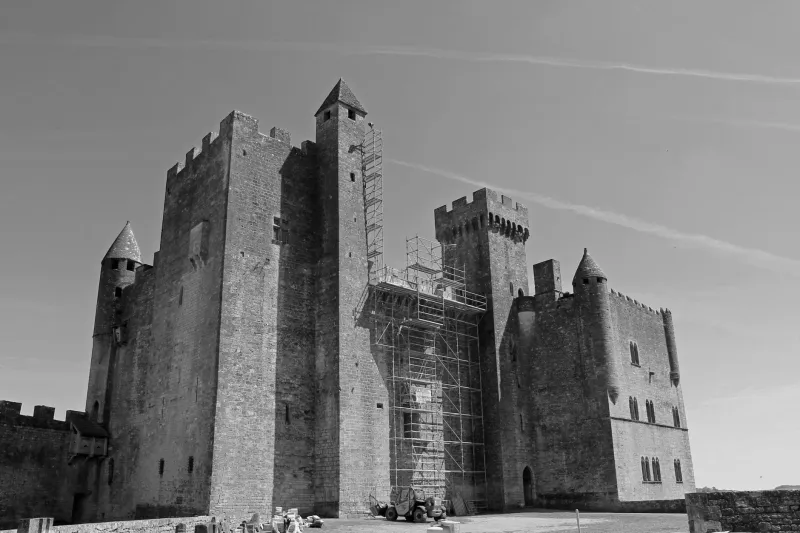
For British travellers, the sight of scaffolding against a historic house is familiar. The National Trust has trained us to accept that a great building is often a building in progress. French châteaux are no different, though the experience can feel more intimate. At some properties, guests do not simply pass a noticeboard explaining a roof appeal; they sleep beneath the roof being repaired, eat breakfast beside a wing wrapped in netting, and meet the people trying to hold the whole place together.
That is not to everyone’s taste. A château stay is often booked for a sense of completeness: gravel drives, formal parterres, rooms that look as though nothing has been moved since the eighteenth century. Restoration offers something else. It offers honesty, and for discerning travellers who prefer authenticity to a flawless finish, it can be the more rewarding proposition. The key is to know what you are buying into, and to ask the right questions before you book.
Why restoration changes the atmosphere
A restored château presents a finished story. A château under restoration presents a working one. You may find dust sheets in a corridor, a temporary staircase, or a section of garden closed while old drainage is replaced. You may also find craftsmen willing to explain a lime mortar mix, an owner who can date every crack in the facade, and a guided tour that takes you closer to the fabric of the building than any polished house museum would allow.
The trade-off is unpredictability. Work schedules slip. A room with a promised view may look onto a cherry picker rather than a parterre. Noise can begin early. Some state rooms may be closed at short notice because a ceiling has been judged unsafe or because a conservator needs uninterrupted access. None of this is a failure of hospitality; it is the nature of conservation. But it should shape expectations.
Five properties where the work is part of the picture
Château de Gizeux, Loire Valley
Gizeux is a family-owned house that has spent years bringing its roofs, interiors and gardens back into condition. It offers guest rooms and guided visits, and the experience is closer to staying with conscientious custodians than checking into a hotel. Guests may encounter works in progress, particularly in the service areas and garden structures. Ask which wing your room occupies and whether any current phase of work is likely to affect the view, the silence or access to the gardens.
Château de Bournazel, Aveyron
Bournazel has become a reference point for what patient restoration can achieve in a Renaissance house that was once in a precarious state. It offers stays and visits, and the narrative of its rescue is inseparable from the experience. The tone is serious rather than glossy: visitors are encouraged to look closely at stonework, ceilings and the sometimes controversial decisions that conservation requires. For British travellers used to debates over historic fabric, it is a useful reminder that restoration is never neutral.
Château de la Bourbansais, Brittany
La Bourbansais combines a historic house, gardens and a zoo, which makes it an unusual proposition for families and for travellers interested in how heritage sites fund themselves. Restoration and maintenance have long been part of its life, from the fabric of the château to the garden setting. The presence of visitors is part of the economic model. Ask about the current state of the house interiors and whether any areas are closed, particularly if the château itself, rather than the grounds, is the main reason for your visit.
Château de Montreuil-Bellay, Loire Valley
Montreuil-Bellay is a medieval fortress with rooms, towers and ramparts that require constant attention. It offers guest accommodation, and its appeal lies in the sense of enclosure: thick walls, old stone and a village at the gates. Restoration here tends to be cyclical and practical rather than theatrical. Ask about access to the ramparts, any closed towers and the level of noise from work on the fabric. A room in a thirteenth-century tower is atmospheric, but it is not a soundproofed modern hotel room.
Château de Valmer, Loire Valley
Valmer is known for its gardens as much as its house, and garden restoration is a particular kind of work: hedges are replanted, parterres are re-cut, and paths are closed while old drainage is renewed. The property offers stays, and the pleasure is in seeing a designed landscape being maintained rather than frozen. Ask whether the gardens are fully open, whether any machinery is in use near the guest rooms, and whether photography is restricted in areas where conservation is under way.
What to ask before booking
A little diligence prevents disappointment. Before confirming a 2026 stay, ask the property directly, in writing if possible, about the following:
- Which rooms overlook current or planned works, and whether you can be moved if scaffolding is erected after booking.
- The working hours of any contractors, and whether work takes place at weekends or during breakfast and dinner.
- Which state rooms, gardens or outbuildings are closed, and whether admission to those areas is reflected in the rate.
- Whether there are restrictions on photography, access or movement around the site for safety reasons.
- Whether the property is offering guided tours of the restoration work, and whether these are included or charged separately.
- Accessibility, especially where temporary routes, uneven surfaces or closed lifts may affect a member of your party.
It is also worth asking how the property prefers guests to support the work. Many châteaux would rather you book a tour, buy from the shop or make a donation than attempt to wander into a closed area for a closer look. Respect for barriers is not fussiness; it is part of what allows the work to continue.
The honest appeal
A château with dust sheets is not for every trip. If you want a flawless backdrop for a celebration, choose a finished house and ask for assurances. But if you are interested in how historic buildings survive, a stay alongside restoration can be more memorable than a polished suite. You are not just passing through a monument. You are, in a small way, helping to keep it standing. For travellers who value that kind of authenticity, the imperfect château is often the more truthful one.