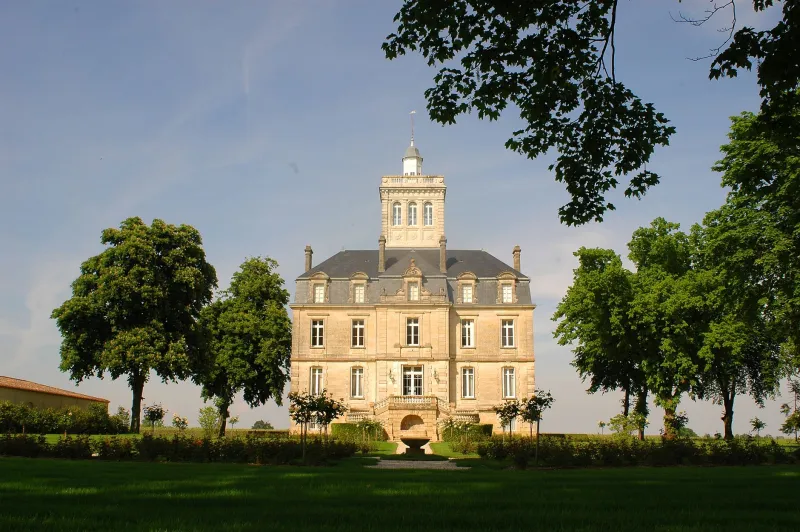
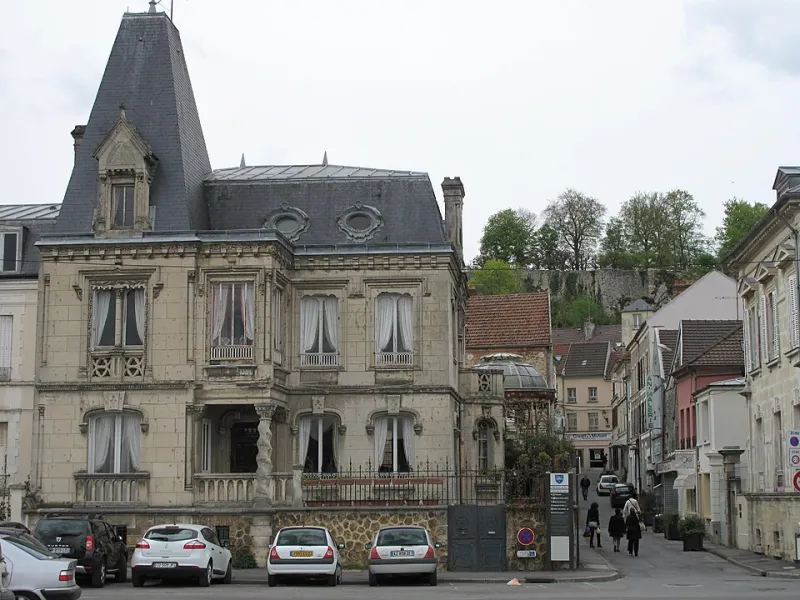
The Cellar Key: Five Château Stays for Travellers Who Take Wine Seriously
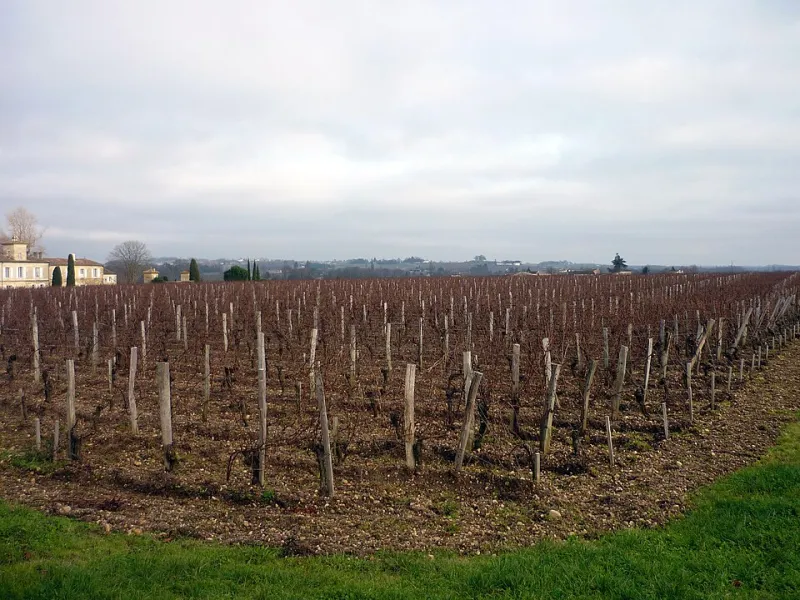
Photo: Antoine Bertier, CC BY 2.0, via Wikimedia Commons
French châteaux and wine are often sold together as a single romantic idea: gravel courtyards, old barrels, a bottle opened at dinner. The reality is more varied. Some estates weave wine into the stay with ease and generosity; others treat the cellar as a ticketed add-on. For British travellers, the difference matters, not least because a wine-led break should feel like hospitality rather than a sales programme.
The five addresses below are worth investigating for stays where wine is part of the place rather than a decorative extra. They are not uniform recommendations. One suits the wine-curious traveller who wants a proper introduction; another rewards those who already know their preferred appellations; all can work for a non-drinking companion, provided the booking is handled sensibly.
Read the Offer Before You Read the Wine List
A working vineyard is a good sign, but it does not guarantee a good guest experience. The key questions are simple. Is the tasting included, or is it a separate charge? Is it a seated tasting with a member of the estate team, or a short walk through a cellar followed by a shop? How many wines are poured, in what measures, and is the fee redeemable against purchases?
Ask, too, about language and group size. A tasting conducted in French for a group of twenty is a different proposition from a quiet session in English for six. Neither is inherently better, but British guests should know what they are booking. If the estate cannot answer these questions clearly before arrival, that is useful information.
Five Château Stays Where the Vineyard Matters
Château de Berne, Provence
A substantial working estate in the Var, Château de Berne combines vineyards, a hotel and a spa with a commercial wine operation. That scale brings polish, but it also means the wine experience can feel like one activity among several. The advantage for British travellers is choice: a serious tasting can be booked, or wine can remain a background pleasure. Ask specifically whether the tasting is hosted by the estate team and whether it focuses on the Provence style the property is known for.
Château de l'Aumérade, Provence
Near Cuers, this family-owned estate has long combined Côtes de Provence wines with a hotel address. It tends to suit travellers who want the vineyard to set the tone without turning the whole stay into a seminar. The practical point is to confirm what is included in the room rate and what is charged separately. Provence rosé is easy to enjoy; a good host should also be willing to explain the estate's reds and whites without pressure to buy.
Château de Pitray, Bordeaux
For a more domestic, less spa-led experience, Château de Pitray in the Bordeaux hinterland is a useful name to know. It offers guest accommodation on a working vineyard, which tends to produce a stay closer to staying with a winegrowing family than checking into a resort. This is not the place for those who need a concierge desk and a lift; it is the place for travellers who want to understand the vintage, the blend and the farming year. Ask in advance about harvest-time access and tasting arrangements.
Château de la Chaize, Beaujolais
La Chaize, near Odenas, is one of the grander addresses in Beaujolais and has the architecture to prove it. The wine is the draw: cru Beaujolais, granite soils and a cellar history that rewards a little prior reading. Stays here suit travellers who want elegance without Bordeaux prices. The caution is expectation management: a château of this scale may host larger groups, so ask whether the tasting you are booking is private, semi-private or part of a scheduled visit.
Château de Fesles, Loire
In Anjou, Château de Fesles is associated with Chenin Blanc and the sweet wines of the region. It is a good example of an estate where the wine style is distinctive enough to justify the journey. British travellers who know Loire wines will find the context rewarding; those who do not should ask for a tasting that explains the range rather than assuming sweetness is the whole story. Accommodation and tasting arrangements should be confirmed directly, as estate offerings change with the season.
What a Tasting Actually Involves
A cellar visit is not automatically a tasting, and a tasting is not automatically educational. The best sessions include a short explanation of the estate, a clear sequence of wines and enough context to understand why one bottle differs from another. Spittoons, water and bread are basic courtesies. So is a seated option for anyone who cannot stand for long.
Drivers should be especially careful. French drink-drive limits are lower than those in the UK, and the sensible approach is to spit rather than swallow. Ask whether the estate can provide a takeaway bottle or a tasting pack instead of pouring everything. For British guests arriving by car, it is also worth asking whether the tasting room is easily reached from the accommodation without driving on unlit rural roads after dark.
The Half-Board Question
Half-board is not a guarantee of good value. Some châteaux include a modest house wine with dinner; others offer dinner only, with wine charged separately at hotel prices. The difference can be substantial over three nights. Ask for the wine terms in writing before booking: is wine included, and if so how much and which wines? Is there a house bottle, a by-the-glass list or a fixed supplement?
Corkage is less common in France than in the UK, but it is worth asking about. Some hotels allow guests to open a bottle bought from the estate or a local producer for a fee; others do not. If the wine programme is central to the stay, compare the half-board rate with a room-only booking and a nearby restaurant. A château does not have to be the only place you eat.
Tee-totallers should not subsidise someone else's cellar. Ask whether a non-drinker rate exists, or whether the tasting can be replaced with a garden tour, a spa treatment or a walk. The best wine-led stays are confident enough not to force the bottle on every guest.
Bringing Cases Home Without a Customs Surprise
Buying at the cellar door is one of the pleasures of a wine-led château stay, but the journey home needs thought. UK personal allowances for alcohol brought from the EU are limited. At the time of writing, the still wine allowance is 18 litres, equivalent to 24 standard 75cl bottles; sparkling wine has a separate allowance. Anything above the allowance must be declared, and duty and VAT may be payable. Keep receipts, do not conceal bottles and do not assume that a case bought for a dinner party counts as a personal allowance.
For anything approaching commercial quantity, use a specialist wine courier or ask the estate about export and bonded delivery. Check whether the price quoted is duty-paid and delivered to a UK address, or ex-cellars. If travelling by ferry or Eurotunnel, declare goods where required; the surprise at customs is rarely the duty itself, but the assumption that a case is simply a souvenir. Air travellers should also weigh baggage limits, bottle weight and the risk of rough handling against the saving on a modest bottle.
The most rewarding château wine stays are not the ones with the longest tasting list. They are the ones where the estate explains its work clearly, prices its hospitality honestly and lets guests enjoy the wine at their own pace. A cellar key is a fine thing; being treated as a guest rather than a sales target is better.