No Taxi Required: Five Château Stays Where Dinner Is a Short Walk Away
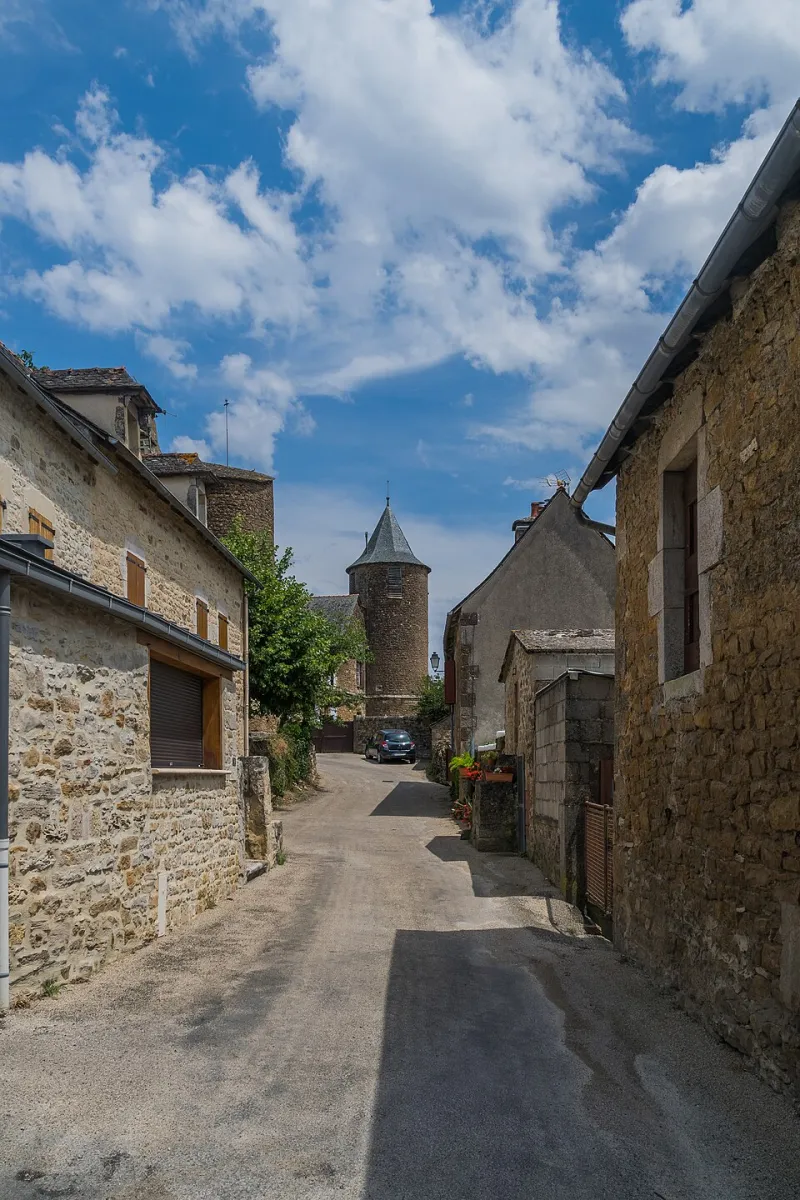
Photo: Krzysztof Golik, CC BY-SA 4.0, via Wikimedia Commons
One of the quiet luxuries of a French château stay is the sense of removal: the long drive, the iron gates, the silence. But removal has a price, and it is usually paid in car keys. A second glass at lunch becomes a calculation; an evening meal in the village becomes a taxi that may or may not arrive. For British travellers who want château elegance without a self-imposed curfew, the more useful question is not how grand the façade is, but how easily one can walk out of the gates and into a village with a bakery, a café or a reliable dinner table.
The five addresses below are chosen for that specific pleasure. None is a city hotel in disguise, and none pretends that rural France is served by pavement and street lighting everywhere. But each puts a genuine village within a stroll rather than a drive, and each suits travellers who would rather walk home under a dark sky than negotiate a country lane after dinner.
What Counts as Walkable
Walkability in rural France is not the same as walkability in a British market town. A ten-minute walk may mean a narrow shoulder, a steep lane or a route that is charming by day and opaque by night. The châteaux here have been selected because the village is close, the route is broadly practical and the reward is real: bread in the morning, a café at midday, a dinner table in the evening.
It is still worth asking three questions when booking. First, is the village centre walkable from the château, and is the route lit? Second, which restaurants open on Sunday and Monday, when rural France often closes? Third, does the château itself serve dinner on the nights the village does not? A little forethought turns a pleasant idea into a genuinely car-free stay.
Château de Bagnols, Beaujolais
Bagnols is the model of the type: a golden-stone village in the Beaujolais hills, with the château sitting within it rather than beyond it. The hotel is grand in the proper sense, with towers, courtyards and a sense of occasion, but the village square, bakery and a handful of dining rooms are within a few minutes on foot. That matters after a tasting of local wines, when the car should stay exactly where it is.
The pleasure here is the ordinary: walking out for bread in the morning, returning for a long lunch, then strolling into the village for dinner without wondering who will drive. British travellers can reach Lyon by air and the region by train, though a car remains useful for wider Beaujolais exploration. The point is that it is not required for the evening.
Château de la Bourdaisière, Loire
Some châteaux are rural islands. La Bourdaisière is not. It sits in Montlouis-sur-Loire, close enough to the town that guests can walk to the Loire, to cafés and to restaurants without turning the evening into an expedition. The château has the formal gardens and the Loire Valley atmosphere that British visitors expect, but it also has a practical relationship with the town around it.
For a car-free dinner, this is a useful address. Guests can spend the afternoon in the gardens, walk into Montlouis for an early evening meal and return before the night closes in. The town is not Paris, and that is the point: it is a working French place with bakeries, a market and everyday restaurants rather than a stage set. Travellers arriving by TGV to Tours can reach the château without a car, though local buses and taxis should be checked in advance.
Château de Rilly, Champagne
Rilly-la-Montagne is a village in the Champagne hills, and the château is part of it rather than perched above it. Guests can walk to the village centre, to the bakery and to local champagne houses, which makes the stay unusually civilised for anyone who intends to taste seriously. The return walk after dinner is short enough to be pleasant and long enough to clear the head.
Champagne is not a region that rewards over-planning, but it does reward booking. Village restaurants keep limited hours, and Monday and Tuesday can be quiet. The château itself is a comfortable base, and the village has enough within strolling distance to make the car unnecessary for an evening. Rilly has a station on the Reims to Épernay line, which gives British travellers a genuinely rail-friendly option.
Château de Fonscolombe, Provence
Fonscolombe is not quite at the village gate, but it is close enough for a twenty-minute walk into Le Puy-Sainte-Réparade, where there are restaurants and a village centre. In Provence, that is a meaningful difference. The château is elegant and secluded, with gardens and terraces, but the village prevents the stay from becoming a gilded cage.
The walk is best done with a torch for the return and sensible shoes, and the route should be checked at the château before setting out. For British travellers, this is a good compromise between the romance of a country house and the practicality of a village dinner. The car can stay parked for the evening, and the following day can be reserved for Aix-en-Provence or the Luberon.
Château de Canisy, Normandy
Canisy is a small Normandy village, and the château is part of its fabric rather than removed from it. Guests can walk to the bakery, the church and the village centre, and the château itself provides the reliable dinner table. That combination suits British travellers arriving by ferry or from Caen, who want a gentle first or last night without another drive.
Normandy weather being what it is, the walk should be approached with a rain jacket rather than a strict schedule. The village is not a resort, and that is its charm. What it offers is the ordinary rhythm of a French country place: bread, a church bell, a short walk back to a large house with the lights on.
Practical Notes for British Travellers
Book dinner in advance, especially at weekends, and confirm closing days. Carry a small torch even in summer. Wear flat shoes, because village lanes are not always kind to thin soles. Ask the château to mark the walking route on a map, and ask whether it is lit at night. Above all, do not assume that a village with a bakery also has a restaurant open on a Monday. A short walk is a pleasure; a short walk to a closed restaurant is not.
The reward is simple and increasingly rare: a château stay where the car can be left alone after lunch, where dinner is a stroll rather than a negotiation, and where the village is not a view from the window but a place to walk into.