Shelved Ambitions: Five Château Stays Where the Library Earns Its Keep
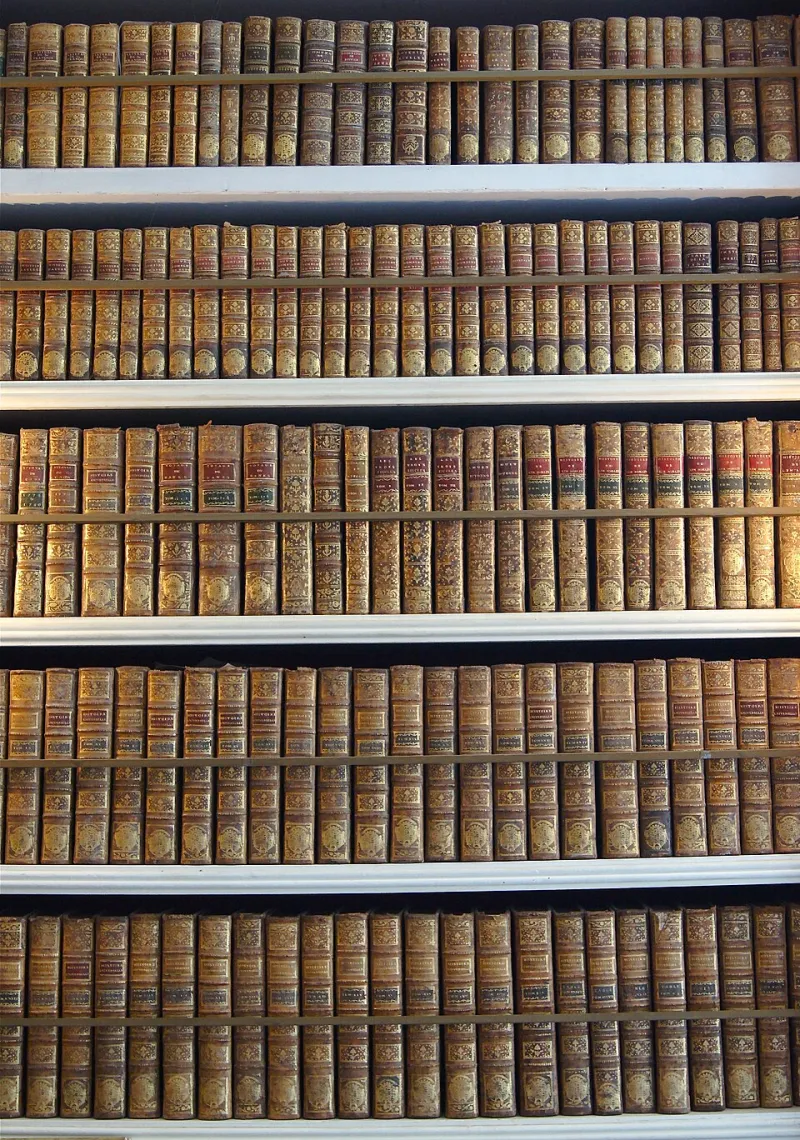
Photo: Jebulon, Public domain, via Wikimedia Commons
Why a Library Matters More Than a Chandelier
For a certain kind of British traveller, the decisive question about a French château is not the size of the pool or the rating of the restaurant. It is whether the library is a room or a stage set. Shelves can be handsome and entirely unreadable; a grand salon can be silent because nobody is allowed to sit in it. The five stays below have been chosen because each offers a library, or a room the house calls a library, that can plausibly be used for an afternoon with a book. None is a public lending library. Collections rotate, rooms are sometimes closed for private events and the best armchair may be claimed by another guest. Enquire before booking, especially for a 2026 stay, and treat the shelves as a house collection rather than a guarantee of literary bounty.
How These Stays Were Judged
The test is practical rather than romantic. Does the room have lamps as well as windows? Are the chairs comfortable for two hours, not twenty minutes? Can books be handled, or are they behind glass? Is the library open throughout the day, and is it warm in winter? Equally important for mixed parties: what is there for the non-reader? A bookish château works best when one guest can disappear into a novel while another walks, swims, tastes wine or visits a nearby town. Access from the UK has also been weighed, since a library stay should not require an exhausting drive at the end of a train journey.
1. Château de la Treyne, Lot
On the Dordogne border, Château de la Treyne is the sort of place where the library feels like a natural extension of the house rather than a themed addition. The salons are intimate, the river views do much of the work and the atmosphere suits long, unhurried afternoons. Ask for the library salon when you enquire and confirm that it will be available during your dates; in a historic house, rooms move between guest use and private dining. The collection is likely to be a mixture of general fiction, local history and coffee-table books, so bring the title you actually intend to finish. Non-readers have gardens, a pool and the dramatic setting above the Dordogne, with Rocamadour, Martel and Souillac within easy reach. Rail travellers can reach Souillac and take a taxi, though a car is more rewarding for exploring the Lot. Late spring and early autumn are the most comfortable seasons for reading by an open window; winter is quieter but some local services reduce.
2. Château de Bagnols, Beaujolais
Château de Bagnols offers the pleasure of reading in a setting that feels genuinely historic without being forbidding. The library salon is the kind of room where a hardback and a glass of something local make a convincing case for doing very little. Usability depends on the season and the day: ask which salon is open to residents and whether fires are lit in the cooler months. The collection is not the reason to come, but the room is. Non-readers are well served by the Beaujolais vineyards, Lyon's markets and the walking routes through the surrounding hills. Access from the UK is civilised by train to Lyon and a taxi or hire car, though a car makes the vineyard visits far easier. Spring and early autumn are ideal; September brings harvest activity and more company. Book direct and ask specifically about library access rather than assuming every public room is available.
3. Château de Courcelles, Picardy
For a rainy afternoon or a winter weekend, Château de Courcelles is a strong candidate. The house has the classical calm of northern France, and its library or library-like salon suits readers who prefer quiet corners to theatrical grandeur. The practical questions are the usual ones: are the lamps adequate, is the room heated, and is it reserved for residents? Ask before you book if the library is central to your stay. Non-readers can use the château as a base for Champagne houses around Reims, the memorial sites of the Somme and walks in the surrounding countryside. Eurostar to Paris and a train to Soissons, followed by a taxi, is feasible, but a car is useful for the last stretch and for day trips. Autumn and winter are particularly atmospheric, with fires and fewer visitors; spring is better for garden walks.
4. Château de Montcaud, Provence
Provence can be too hot for serious reading in high summer, which is why Château de Montcaud works best in the shoulder seasons. The house has a library and shaded terraces, and the combination is useful: readers can move from armchair to outdoor chair as the day warms. Confirm the opening hours of the library and whether it is used for events during your dates. The collection is unlikely to be a scholarly resource, so bring your own reading and treat the shelves as browsing. Non-readers have the pool, gardens and easy access to Avignon, Uzès and the Pont du Gard. TGV services to Avignon make the journey from London reasonable, with a taxi or hire car for the final leg. Late spring and early autumn are the most sensible months; in July and August, ask about air conditioning and shade before committing to a bookish itinerary.
5. Château de Fère, Champagne
Château de Fère is a good choice for readers who like a fire, a short walk and a glass of Champagne within easy reach. The library or salon is the sort of room that encourages a second chapter rather than a quick photograph, though its availability should be confirmed. The collection is likely to be modest and general; the appeal is the room and the setting. Non-readers can visit Reims Cathedral, explore the Champagne route and book tastings nearby. Eurostar to Paris or Reims, followed by a car, is the most practical route from the UK. Autumn and winter suit the house particularly well, when the fires are lit and the vineyards are bare. Ask about room closures and dinner timings if you plan to read before eating.
What to Ask Before You Book
A library stay stands or falls on details. Request photographs of the shelves and seating, not just the ceiling. Ask whether the room is open all day, whether books may be taken to another room and whether the library is used for private functions during your stay. If you are travelling with a non-reader, ask what is open nearby in your chosen season. If stairs are an issue, ask about access before you fall in love with the wing. And if you are booking by train, check the final taxi or transfer, because the last mile is where bookish idylls often falter.
The Verdict
For river views and a classic house-party feel, La Treyne is the strongest all-rounder. For wine and city access, Bagnols and Fère make sense. Courcelles suits winter fires and northern light; Montcaud rewards those who travel in spring or autumn. Pack one book you truly want to read, one you might abandon, and a notebook. The best château libraries are not competitions; they are rooms that allow a British traveller to slow down, look up occasionally and return to the page.