The Third Night Rule: Why French Château Breaks Need More Than a Weekend
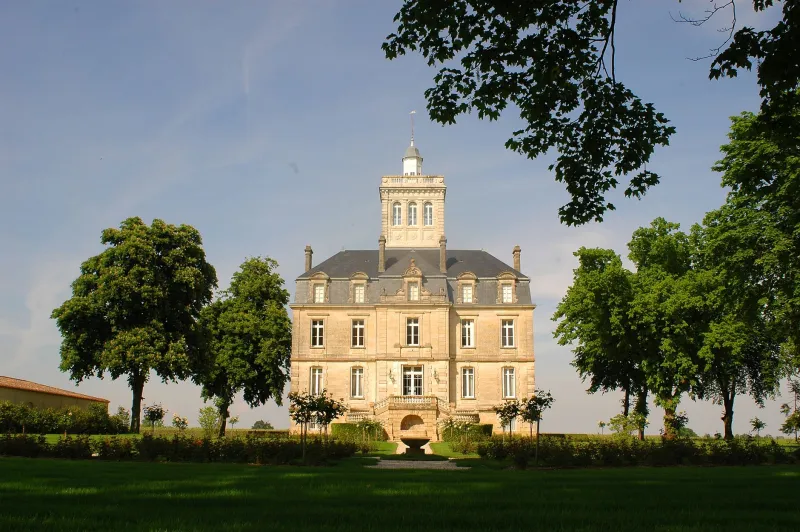
British travellers are accomplished at the short break. A Friday departure, a Saturday in unfamiliar surroundings and a Sunday return can feel like a sensible use of annual leave. Applied to a French château, however, the formula tends to collapse. The very qualities that make these houses worth visiting — unhurried mornings, long dinners, gardens that reward a second walk — are precisely what a two-night booking squeezes out. For 2026, the more honest unit of time is three nights.
The arithmetic of a two-night break
A two-night château stay looks efficient on paper. In practice, it is often an exercise in arrival and departure. A Friday afternoon crossing by ferry or Eurotunnel, followed by a drive through northern France, can place guests at the gates well after dark. The first evening becomes a negotiation with tiredness, not an introduction to the house. Saturday is then asked to carry the entire visit: breakfast, a walk, perhaps a nearby town, dinner and packing. Sunday morning arrives before the rhythm has settled.
The same problem afflicts rail travellers. Eurostar to Paris and a onward TGV can be elegant, but connections are unforgiving. A three-night stay creates a buffer on the outward journey and removes the anxiety of a same-day return. It also makes the château itself, rather than the journey, the centre of the trip.
What the minimum-stay policy really says
Many châteaux impose a two-night minimum at weekends. That policy is often read by British guests as permission to book exactly two nights. It is better understood as a floor, not a target. A minimum-stay rule protects the house from one-night turnover; it does not guarantee that two nights will deliver the experience the brochure implies.
Prospective guests should ask three practical questions before booking: what time are rooms available on the arrival day, is dinner served on the first evening, and what time is departure on the final morning. The answers often reveal that a two-night stay contains only one full day. A third night adds a second full day and, more importantly, a second evening. That second evening is where the château stay begins to feel less like an inspection and more like a stay.
Inspection versus inhabitation
The distinction matters. A two-night visit encourages reconnaissance: photographing the façade, checking the salon, testing the dinner menu, forming an opinion. A three-night visit permits repetition. The breakfast table becomes familiar. The route through the garden is no longer a discovery but a habit. The aperitif before dinner acquires a fixed hour. These small rituals are not incidental; they are the product being sold.
Château hospitality depends on atmosphere, and atmosphere is cumulative. One dinner can be impressive. Two dinners, with a day between them, reveal whether the kitchen has depth and whether the house feels comfortable when it rains. A third night gives guests the luxury of doing less on one day without feeling that the trip has failed.
Five châteaux that repay a third night
The following houses are suggested as starting points rather than prescriptions. Minimum-stay policies, seasonal opening and dining arrangements should always be confirmed directly.
- Château de la Bourdaisière, Loire Valley. The gardens and conservatory collections reward more than a passing circuit. A third night allows time for the grounds, a leisurely visit to Amboise or Chenonceau and a return to the house without the sense of a forced march.
- Château de Gizeux, Loire-Anjou-Touraine. A house with a lived-in atmosphere and a rural setting, it suits guests who prefer unhurried local exploring to a checklist of monuments. Three nights make room for cycling, market towns and an afternoon in the gardens.
- Château de la Treyne, Lot. The riverside setting and wooded surroundings invite a slower programme. An extra day can be spent walking, reading or visiting nearby Rocamadour without turning the stay into a driving holiday.
- Château de Bagnols, Beaujolais. A well-established château hotel with easy access to vineyards and Lyon. Three nights allow one day for wine country, one for the city and one for the house itself — a balanced itinerary that two nights cannot accommodate.
- Château de Courcelles, Champagne. Convenient for Reims and Épernay, but sufficiently removed to feel peaceful. A third night permits cellar visits and a proper return to the château for dinner, rather than a rushed circuit of the region.
A note on booking
Three nights will not suit every itinerary, and there are circumstances — a stopover en route to elsewhere, for example — in which two nights are entirely rational. But for a dedicated château break, the third night is not an indulgence. It is the difference between seeing a French château and staying in one.