Single Rooms, Warm Welcomes: Five French Châteaux for the Independent Traveller
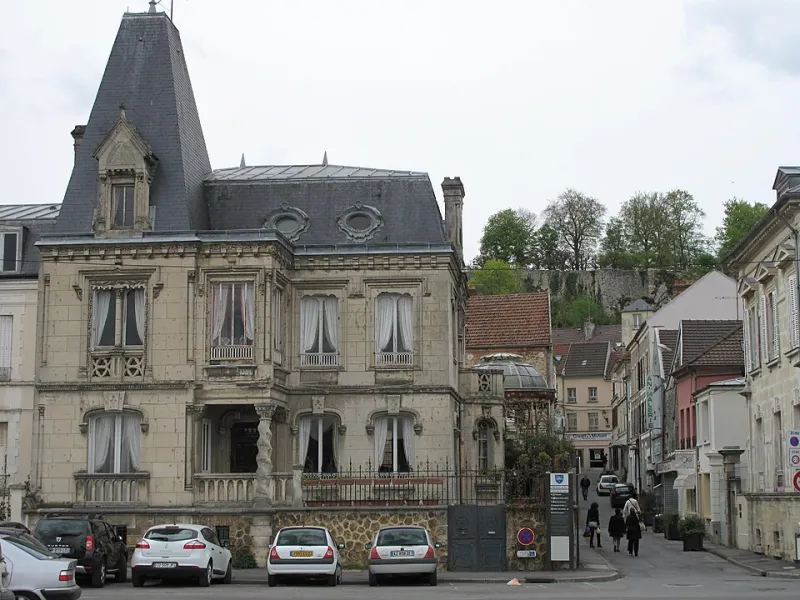
Photo: Tangopaso, Public domain, via Wikimedia Commons
French châteaux have a genius for making the solitary guest feel like an oversight. The dining room is laid for eight, the rates are quoted by the room, and the website assumes a couple celebrating an anniversary. Yet the château stay is not closed to the independent traveller. It simply requires a more forensic approach to booking. The difference between a restorative week and a week of quiet discomfort usually comes down to three questions: what exactly the single rate covers, how dinner is served, and whether the house has a rhythm that suits one person as well as two.
The single supplement is not a fixed law
In France, the supplement single is a commercial convention, not a statutory charge. Many owners would rather fill a small room in the off-season than leave it empty. British travellers should ask for a chambre individuelle rather than a single room; the latter can mean a narrow bed in a former dressing room. Confirm whether the quoted price is per person or per room, whether breakfast is included, and whether local taxes are extra. A supplement expressed as a percentage of the room rate is often more negotiable than a flat fee. Booking direct, and travelling outside school holidays, gives the best chance of a sensible arrangement. For 2026, the most useful question remains the simplest: What is the total price for one person, including breakfast and tax?
Dinner is where the real decisions are made
The dining table is the emotional centre of a château stay. At some properties, dinner is a table d'hôte at a fixed hour, with guests seated together and the owner presiding. This can be the highlight of a trip; it can also be an ordeal for a traveller who has spent the day alone and would rather read. Ask in advance whether dinner is communal or served at separate tables, whether there is a set menu, and whether a lighter supper can be taken in the salon or on the terrace. A good host will not treat these questions as impertinence. They are the practical details that determine whether a single guest feels welcomed or merely accommodated. It is also worth asking whether the dining room seats single guests in the main space rather than in a corridor or a side room. The answer tells you a great deal about the house.
Five châteaux that understand one
Château de la Treyne, Lot. Above the Dordogne, this formal house has the kind of dining room that could intimidate. In practice, the team is used to independent travellers, and the surrounding country is excellent for a solitary day: Rocamadour before the coaches arrive, the Gouffre de Padirac, and long walks along the river. Ask for a room in the main building rather than the annexe, and confirm whether dinner is included in the single rate.
Château de Saint-Loup-sur-Thouet, Deux-Sèvres. A Loire-adjacent château with a village at its gate and a garden that rewards a slow morning. It suits travellers who want to be able to walk out for coffee without relying on a car. The dining arrangement is the thing to check: some evenings are communal, others less so. The owner's willingness to explain the difference before booking is a good sign.
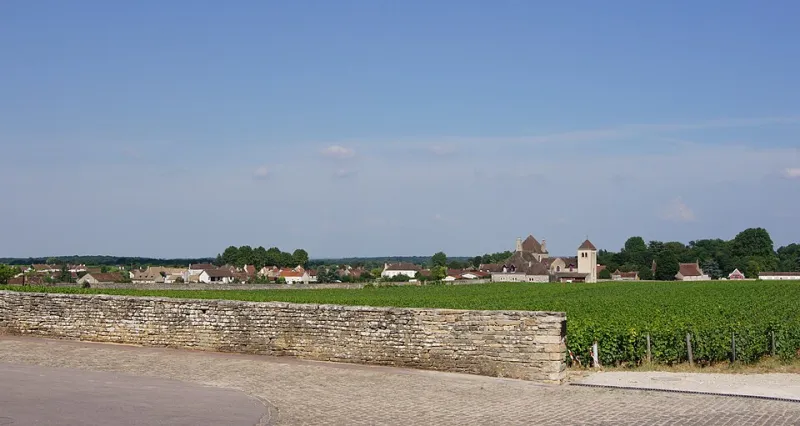
Château de la Verrerie, Saône-et-Loire. In southern Burgundy, near Cluny, this is a château for the traveller who wants vineyards, Romanesque churches and no pressure to be sociable at every meal. The house has a relaxed formality that works well for one. Ask about the smallest room and whether a table can be reserved in the main dining room; the answers are usually pragmatic.
Château de Candes, Loire. At the confluence of the Vienne and the Loire, this is a small, manageable stay rather than a vast hotel. That scale is an advantage for a solo guest: fewer guests, clearer routines, and a host who notices whether you have been forgotten. The local day trips are excellent—Candes-Saint-Martin, Fontevraud Abbey and the vineyards of Saumur. Confirm whether dinner is available on the nights you are staying, as small houses often close their kitchens one or two evenings a week.
Château de Gilly, Burgundy. A former abbey with moats and a serious wine list, Gilly is a good choice for the traveller who wants the full château experience without the sense of intruding on a private family party. The dining room is formal but the team is accustomed to guests travelling alone. Ask for a quiet room and a table at the edge of the room rather than in the centre; small requests are usually met.
What to ask before you book
- Is the rate for one person or per room, and what exactly does it include?
- Is there a single supplement, and is it fixed or a percentage? Will it be waived in low season or for a shorter stay?
- Is dinner communal or separate, at what time, and is it included? Can it be served in the salon or on the terrace?
- Is the room reached by stairs? Is there parking, and what is the arrival time for drivers from Calais?
- For travellers arriving by Eurostar and TGV, is a station transfer available or must it be arranged locally?
- What is the taxi situation for evening meals out, and are there restaurants within walking distance?
The practical case for going alone
A château is not a theme park for couples. It is a house, and houses have room for all sorts. The independent traveller who asks precise questions, books direct and chooses a property with a human scale will find that the experience is not merely tolerated but improved by solitude. The formal dining room, the long garden, the morning coffee brought to a small table—these are pleasures that do not require an audience. For British travellers accustomed to the informality of a country-house hotel, the French château can feel like a step into a more formal world. But formality, properly handled, is simply a form of care. The right château will make one guest feel like a guest, not a problem to be solved.