Fires, Frost and Fewer Crowds: The Case for a French Château in the Quiet Months
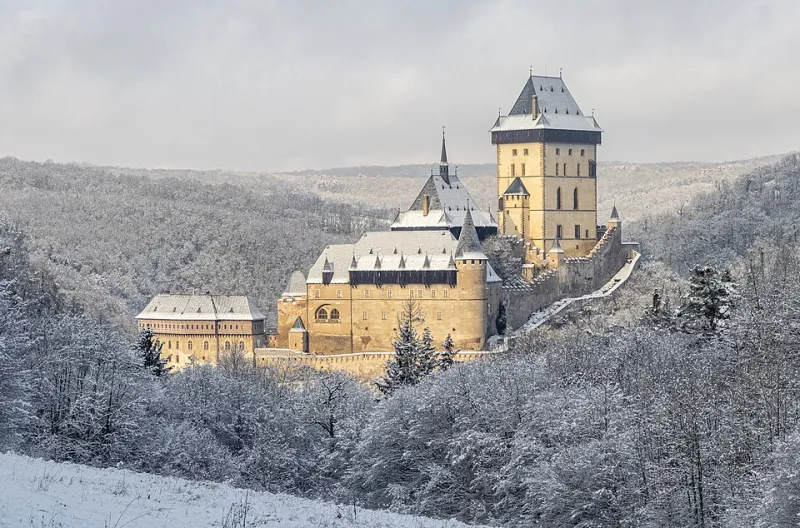
Photo: Radomír Šalda, CC BY-SA 4.0, via Wikimedia Commons
The first frost on a formal parterre is not the disaster that glossy spring photography implies. It is a different pleasure: box hedges outlined in white, gravel crunching underfoot, and the promise of a fire indoors. For British travellers accustomed to saving France for May and June, a château stay between November and March can feel counter-intuitive. In practice, it is often the smarter choice.
Why the quiet season suits a château
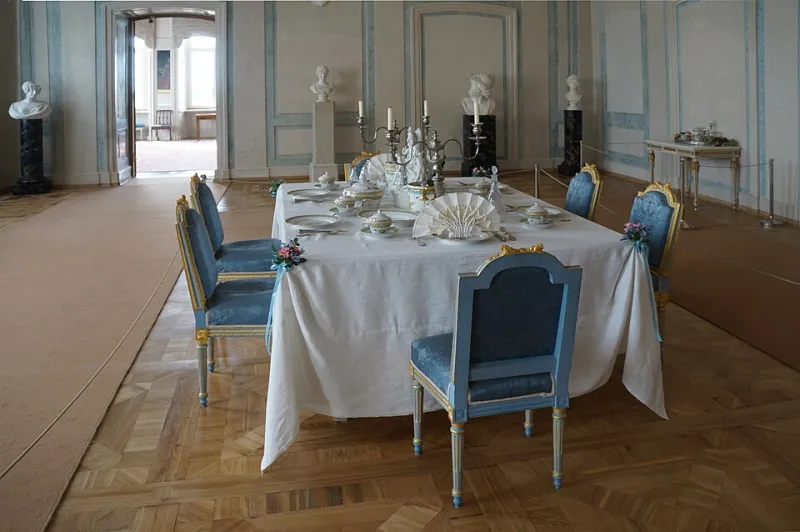
Châteaux are houses before they are visitor attractions. In winter they return to that role. Public rooms are quieter, staff have time to talk, and the ritual of afternoon tea or an aperitif by the fire becomes the centre of the day rather than an afterthought. Rates reflect this. Outside Christmas, New Year and French school holidays, midweek stays are frequently offered at a meaningful discount, sometimes with dinner included; suites that would be beyond reach in July may fall within budget in February. It is worth asking directly about minimum stays, which often shorten in low season, and about any closed facilities. A pool or spa may be seasonal, and a restaurant may open only for house guests.
Regions that hold their charm in the cold
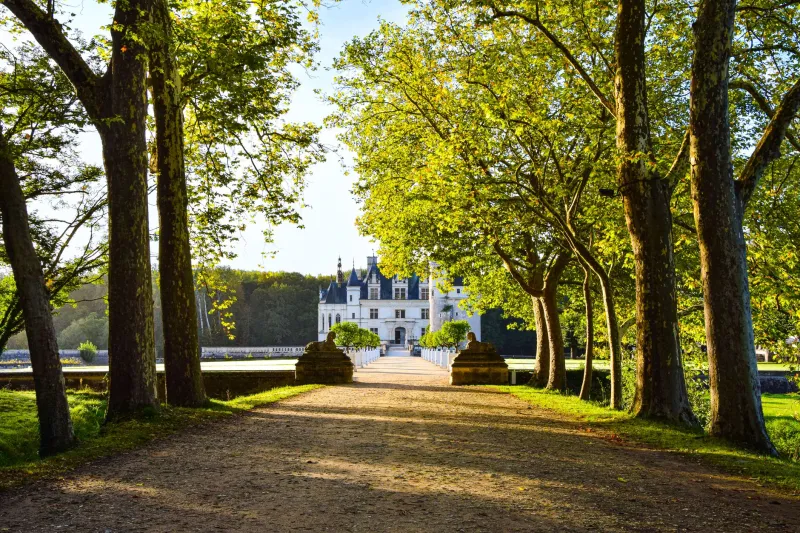
The Loire remains the most reliable winter choice for a first visit. The great châteaux are less crowded, and interiors such as Chenonceau and Blois reward unhurried attention; gardens are dormant, but the architecture and the river landscape are not. Base yourselves near Amboise, Blois or Tours and accept that some smaller sites keep shortened hours. Burgundy suits travellers who prefer cellars and gastronomy to formal gardens: Beaune, Dijon and the wine villages are well placed for a few days of tastings and long lunches. Alsace is at its most atmospheric during the Christmas markets, but January and February are quieter and better value; the wine route and the Vosges foothills remain open. Champagne works well for a short rail break, with Reims and Epernay offering cellar visits year-round. Rural Dordogne and parts of Provence can feel genuinely closed in January, so they are best left to travellers who know the area and have confirmed restaurant openings.
What is actually open between Christmas and spring
Christmas and New Year are peak periods in their own right, with premium rates and minimum stays; they should be booked early and treated as a different proposition from January. From early January to mid-March, many châteaux carry out maintenance, and some close altogether. Restaurants take annual holidays, often in the first weeks of January, and village shops may keep shorter hours. This is not a reason to abandon the idea, but it is a reason to confirm details before booking. Email the château with specific questions: is the restaurant open every night, is the spa operating, is a taxi available from the station, and are local museums and wine cellars receiving visitors? Municipal museums, markets and cellar tours are often more dependable than garden visits. Frosty formal gardens are beautiful in their own right, but they are not spring gardens; travellers who expect herbaceous borders will be disappointed.
Building a short break that does not feel like a compromise
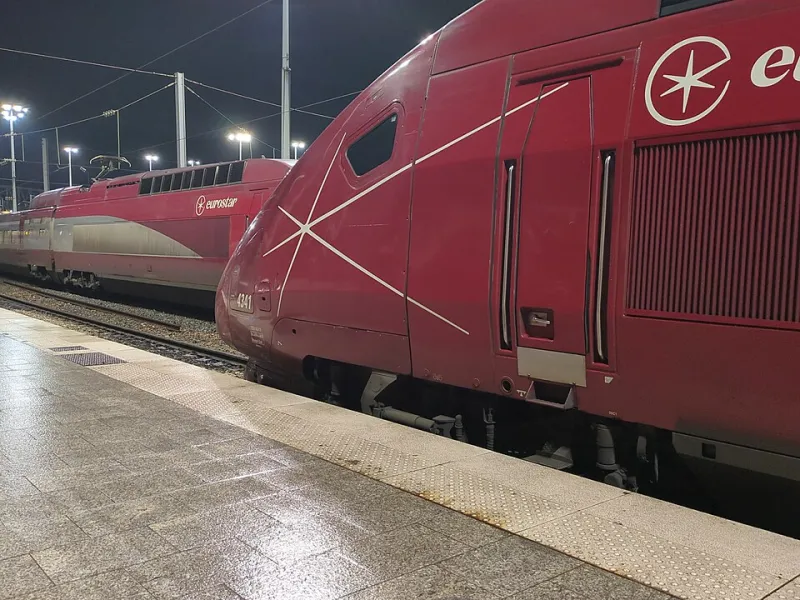
Three or four nights are enough. Choose one château as a base rather than touring between several, and plan one excursion a day at most. A morning at a village market, a long lunch, an afternoon by the fire and a formal dinner is a complete day. Take the train from London where possible: Eurostar to Paris, then a TGV to Tours, Dijon, Colmar or Reims, followed by a pre-booked taxi. The journey becomes part of the stay rather than a prelude to it. British guests should pack for real winter weather: layers, waterproof shoes, a warm coat for garden walks and a small torch for dark country lanes. Daylight is short, so an early start is more rewarding than an ambitious afternoon itinerary.
Practical notes for British travellers
Check heating and insulation in older buildings, and ask whether rooms have independent controls. In remote areas, half-board is often better value than searching for an open restaurant, and it removes the need for evening drives on frosty roads. Book taxis in advance, save the local numbers, and do not assume that rural stations are staffed. Travel insurance should cover delay and cancellation, particularly if you are connecting with a TGV. Finally, book direct with the château where possible; small houses can be flexible about arrival times and dietary requirements in a way that large booking platforms are not.
The point of a winter château is not to pretend that spring has arrived. It is to enjoy the house, the landscape and the region as they are: quieter, darker, warmer at the centre. For value-conscious British travellers, that is not a compromise. It is the better bargain.